Importation in Nigeria has experienced significant growth over the years, with individuals and businesses increasingly bringing in a wide range of goods for personal use and commercial purposes.
In particular, importation for business has become a fast-growing sector, contributing meaningfully to economic activities and revenue generation across the country. As demand continues to rise, the need for efficient, reliable, and compliant customs clearance services has never been more important.
At Clearcargonigeria Limited, we are committed to providing seamless and professional import clearing solutions, ensuring that your cargo is handled with expertise, transparency, and timely delivery from port to final destination.

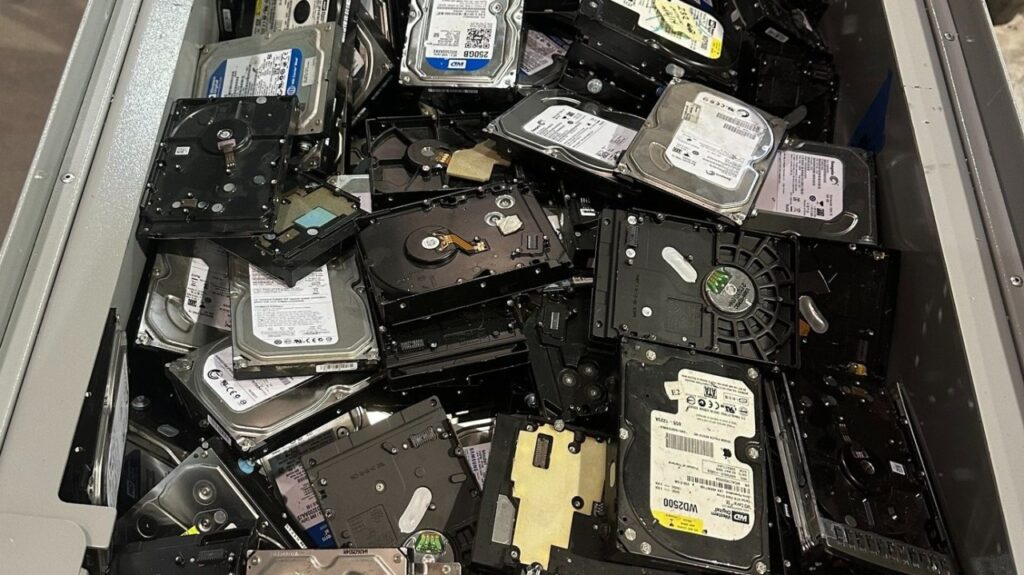
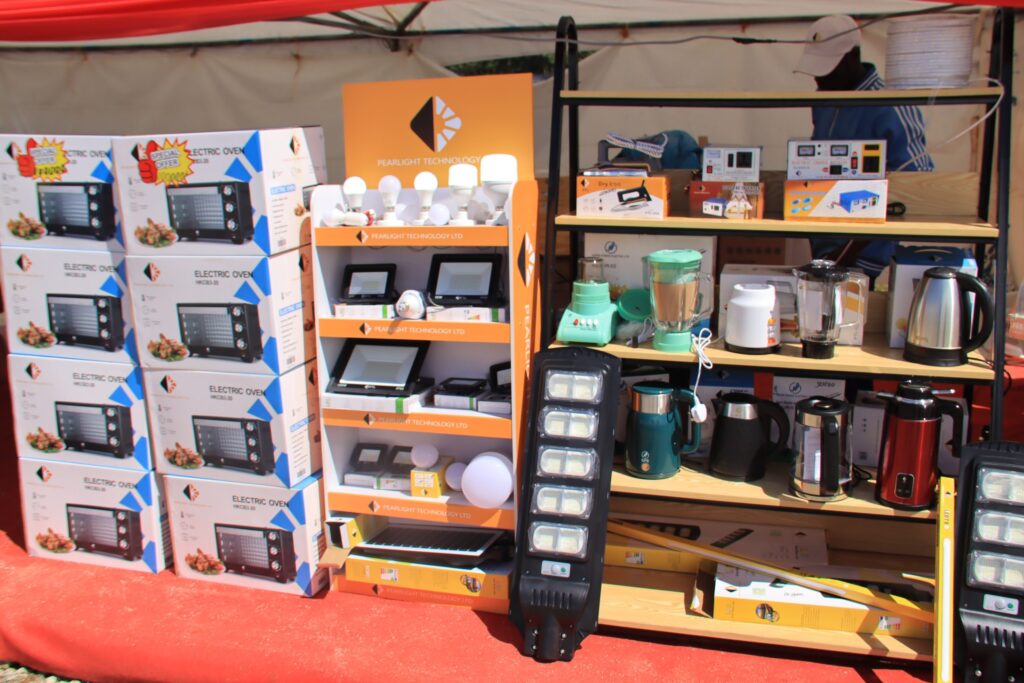
Importation is not limited to large scale commercial activities alone. Many individuals also import fairly used items for continued use, helping to reduce the cost of acquiring brand-new alternatives locally. Others import new products to enhance their lifestyle or access items that are not readily available within the country.
Both large-scale and small-scale importation play a vital role in the growth and sustainability of businesses in Nigeria. It supports entrepreneurs, creates employment opportunities, and contributes significantly to economic development, while also reducing the pressure on government-driven job creation.
On a daily basis, a wide range of goods, including general cargo, supermarket items, personal effects, vehicles, and industrial machineries are imported through major Nigerian sea and airports such as in NACHO, Apapa and Tin-Can Island ports in Lagos.
At Clearcargonigeria Limited, we guide you through the most suitable importation options tailored to your cargo type, budget, and timeline. Ensuring cost efficiency, compliance, and a smooth clearance process from arrival to final point of delivery.

To ensure a smooth and compliant customs clearance process for vehicle importation into Nigeria, certain key documents are required. Proper documentation helps avoid delays, additional charges, and unnecessary complications at the port.
Below are the essential documents for clearing vehicles in Nigeria:
1. Original Bill of Lading / Telex Release – This is the primary shipping document issued by the carrier, confirming shipment details, ownership, and consignee information. It is required for cargo release at the port.
2. Consignee’s Valid Identification – A valid means of identification (such as an international passport, national ID, or driver’s license) is required to verify the importer’s identity.
3. Tax Identification Number (TIN) Registration – The TIN is used by the government to track and manage individuals or entities for tax purposes. It is mandatory for processing import documentation and customs clearance.
4. Vehicle Registration (VREG) System Enrollment – The National Vehicle Registry (VREG) is a centralized database that captures detailed information about all vehicles in Nigeria using their unique Vehicle Identification Number (VIN). Registration is required for proper documentation and record-keeping.
5. SONCAP Certification (Applicable to Brand New Vehicles) – The Standards Organisation of Nigeria Conformity Assessment Programme (SONCAP) ensures that imported products meet required safety and quality standards. The process typically involves:
– SONCAP registration
– Portal sign-in
– Product certificate activation
6. Form M and Pre-Arrival Assessment Report/PAAR (Brand New Vehicles) – Form M is a mandatory import document regulated by the Central Bank of Nigeria for all imports. It facilitates proper monitoring of imports and foreign exchange utilization. The PAAR is issued upon submission and verification of required documents through the bank.
7. Commercial Invoice / Packing List (Brand New Vehicles) – These documents provide details of the vehicle, including value, specifications, and shipment contents. They are essential for customs valuation and processing.
At Clearcargonigeria Limited, we assist our clients in preparing and processing all required documentation, ensuring a seamless, compliant, and efficient vehicle clearance process from port arrival to final delivery.
Vehicles are majorly shipped in either via RORO or Containerized-Cargo


1. Register Consignee or Importer for TIN
2. Register for Trademarks – To import pharmaceuticals into Nigeria, you must register your trademark with the Trade Mark Registry. This enables you to represent your company’s brand in the country. Registering your trademark ensures your brand’s representation in Nigeria.
3. Register for NAFDAC – To ensure the quality and standards of imported pharmaceutical products, registration with the National Agency for Food and Drug Administration and Control (NAFDAC) is mandatory. By so doing, importers can ensure their products meet the required standards and regulations in Nigeria.
4. Obtain Drug Sample Import Permit – An importer of pharmaceutical products must obtain a Sample Import Permit from NAFDAC. This is part of the requirement for finalizing the product registration with NAFDAC
5. Register and obtain SONCAP certificates
6. Obtain PAAR and Form M
7. Product Certificates
8. Packing list
9. Certificates of Origin and Invoice

This guide outlines the key licenses, permits, and clearance procedures required for both registered businesses and individuals looking to import goods into Nigeria.
It is designed to assist first-time importers as well as returning clients, covering shipments through major air and seaports such as in NACHO, APAPA and TINCAN Island ports, Lagos.
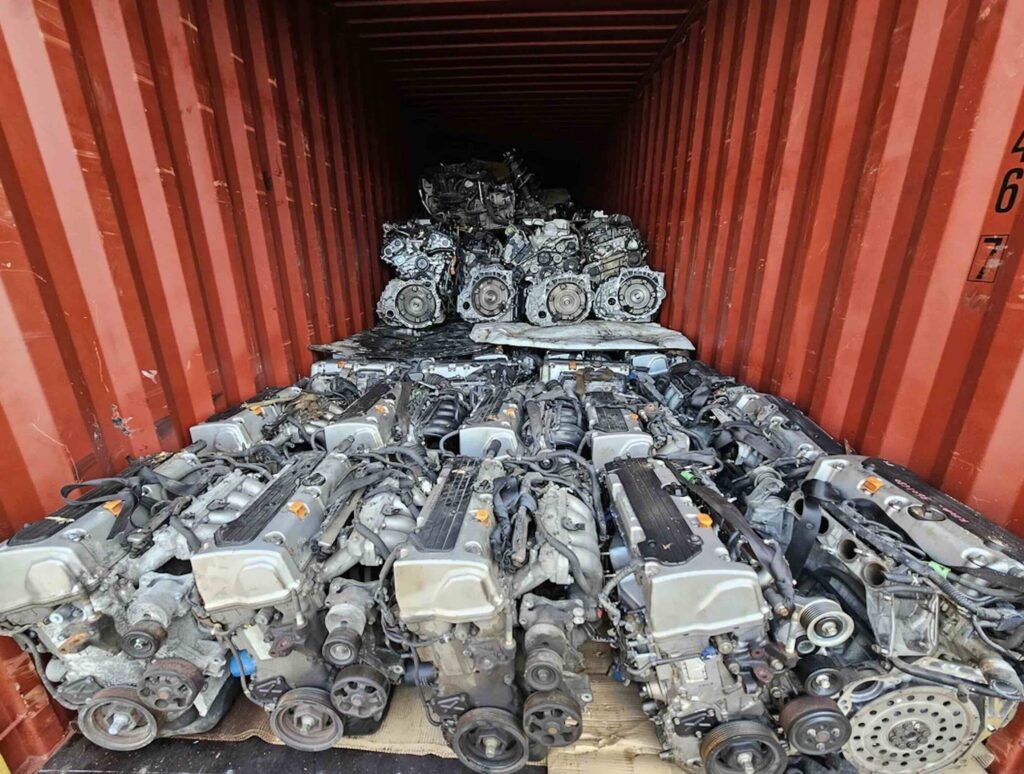
Importation into Nigeria is typically carried out through these methods: Containerized shipments, LCL-Consolidated Cargo, and Roll-on/Roll-Off RORO. Each option depends on the nature, volume, and type of cargo. Although RORO is majorly a Vehicle or Mechanical Autos Related shipping method.
At Clearcargonigeria Limited, we provide expert guidance to help you navigate the entire importation process, ensuring compliance, cost efficiency, and a smooth clearance experience.
For more information, kindly contact us or visit our office in Lagos. We are always available to assist you.