The Nigeria Customs Service has announced plans to gradually eliminate routine physical examination of cargo at Nigerian ports by December 2026. The move forms part of the Service’s broader digital transformation strategy aimed at modernising cargo clearance procedures and improving efficiency across the country’s ports.
According to reports from Punch Newspapers, the transition will rely heavily on advanced scanning technology, electronic declarations, and risk-based cargo profiling to reduce the need for manual inspections.
Shift Toward Technology-Driven Cargo Processing
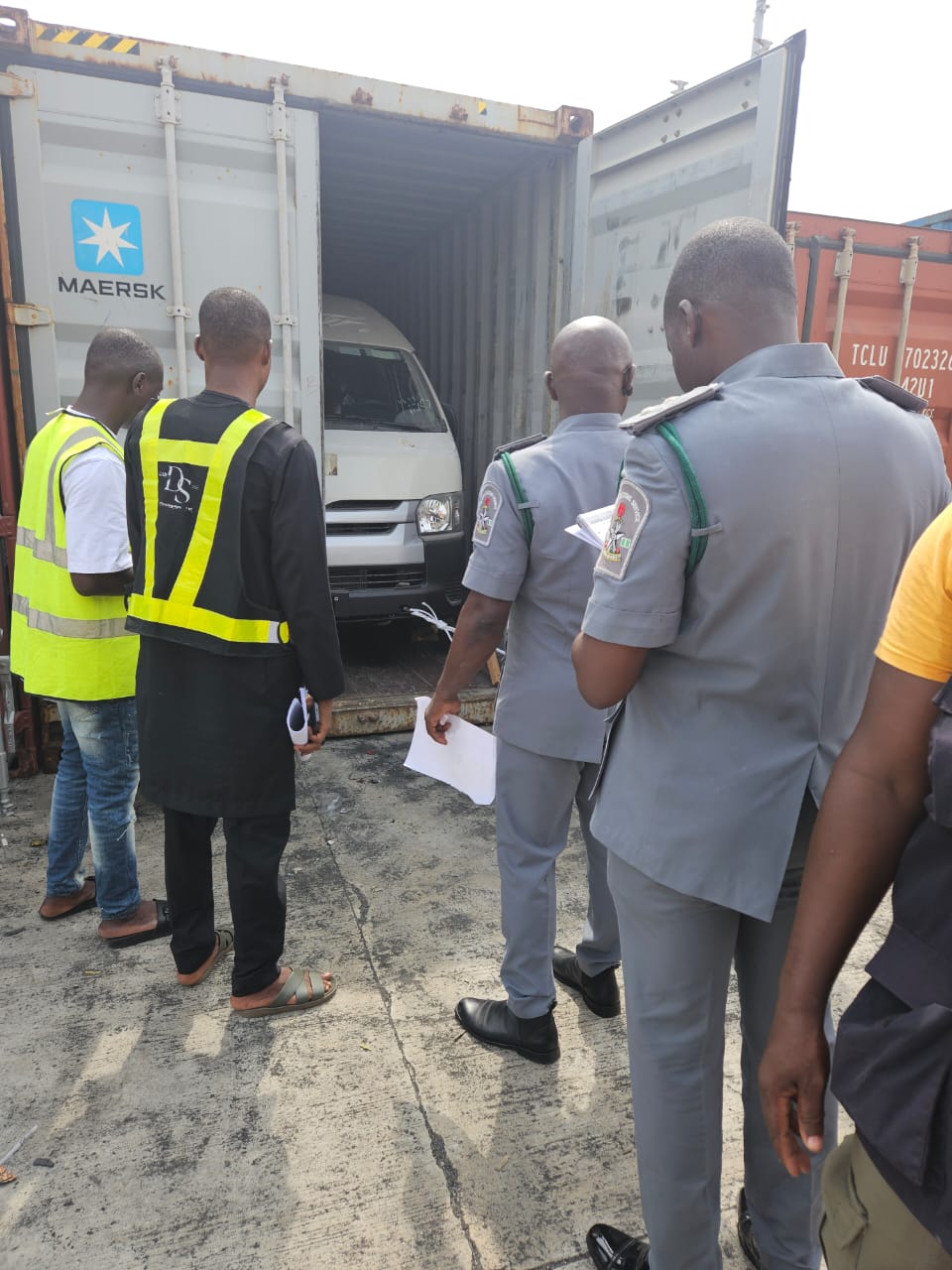
Physical cargo examination has long been a standard practice in Nigerian ports. However, it often contributes to delays in cargo clearance due to the time required for manual verification and documentation checks.
The Customs Service now intends to rely more on non-intrusive inspection technologies such as cargo scanners and automated declaration systems. These tools allow officers to review shipment contents digitally and identify high-risk consignments without opening every container. Under this approach, physical inspections will only be carried out when the system flags discrepancies or risk indicators.
Supporting Nigeria’s Digital Customs Transformation
This development aligns with the continued rollout of the B’Odogwu digital customs platform, which integrates declaration processing, cargo profiling, and clearance procedures within a unified system. By combining digital declarations with scanning technology, Customs aims to create a more predictable and transparent clearance process for importers, exporters, and licensed clearing agents in Nigeria.
The shift toward automation also supports international best practices recommended by global customs organisations for improving trade facilitation while maintaining border security.
Expected Benefits for Port Operations
Reducing reliance on physical inspections could bring several improvements to Nigeria’s maritime and logistics ecosystem, including:
- Faster cargo clearance timelines
- Reduced port congestion
- Lower demurrage and storage costs for importers
- Improved transparency in customs valuation and inspection procedures
Compliance Still Remains Essential
While digital systems and scanners will reduce manual examinations, they will not remove Customs oversight. Cargo declarations, valuation, and documentation will still be subject to strict compliance checks.
Importers must therefore continue to ensure:
- Accurate product descriptions
- Correct HS code classification
- Proper declaration of cargo value
- Complete and authentic documentation
Risk-based systems are designed to detect inconsistencies, meaning false declarations or under-valuation can still trigger detailed inspections and enforcement actions.
Conclusion: A Step Toward Modern Port Operations
The planned phase-out of routine physical cargo checks represents another milestone in Nigeria’s journey toward a modern, technology-driven customs administration. By prioritising scanning systems and digital processing, the Nigeria Customs Service aims to balance efficient cargo clearance with strong regulatory oversight.
For importers and exporters, this shift reinforces the importance of proper documentation and compliance with customs procedures. As Nigeria’s ports continue to adopt advanced systems, working with experienced clearing professionals remains essential for navigating evolving regulations and ensuring smooth cargo processing.