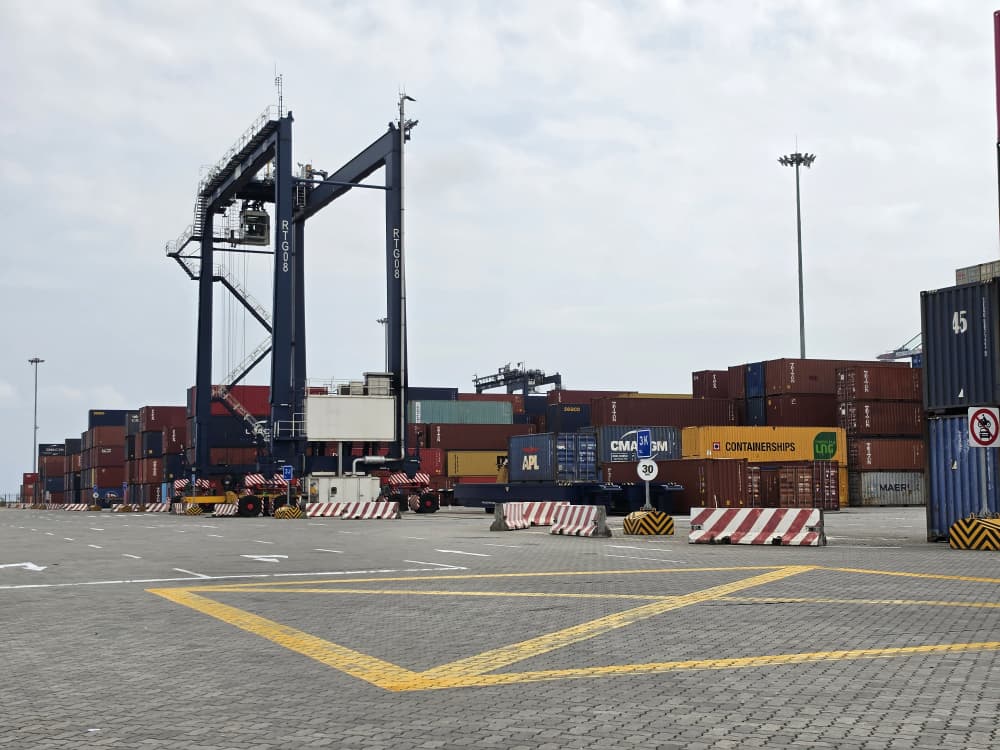
The Federal Government has approved the comprehensive modernization and upgrade of Onne, Rivers, Delta and Calabar ports, extending Nigeria’s ongoing port renewal programme beyond the Lagos port corridor.
The announcement was made by the Minister of Marine and Blue Economy, Adegboyega Oyetola. The projects are expected to complement the previously approved modernization of Apapa and Tin Can Island ports. For businesses, the development could create new options for cargo movement, logistics planning and port utilization across different regions of the country.
Reducing Pressure on Lagos Ports
Lagos remains Nigeria’s major maritime gateway, with Apapa and Tin Can Island, Lekki Freeport Terminals handling substantial volumes of international cargo. Expanding and modernizing port facilities in other parts of the country could help distribute cargo traffic more widely and reduce pressure on the Lagos port corridors.
According to the Federal Government, the upgrades are expected to improve cargo handling, shorten vessel turnaround times and make the movement of goods more efficient and predictable.
What the Development Could Mean for Importers
Improved port infrastructure can influence the cost and timing of an import shipment beyond the actual port operation. More efficient terminals could contribute to:
– Faster cargo evacuation
– Reduced congestion around port corridors
– Better logistics planning
– Improved access to cargo for businesses outside Lagos
– Fewer delays associated with congested terminals and access routes
For containerized cargo in particular, terminal efficiency, truck availability, cargo evacuation and access to the final destination can all affect the overall clearance and delivery process. However, the actual benefits will depend on how the projects are implemented and how effectively the upgraded facilities operate.
More Ports, More Cargo Options
The latest approval is part of a broader effort to expand Nigeria’s maritime infrastructure. The Federal Government has also identified or facilitated the development of additional deep seaports, including projects in Ibom, Bakassi, Agge, Gateway, Ondo and Bonny.
If these projects progress as planned, Nigeria could have a more geographically distributed port network, providing additional gateways for international cargo outside the traditional Lagos corridor.
Implications for Clearing and forwarding of Cargo Logistics
As more ports develop their capacity, importers may have additional options when planning where their cargo enters Nigeria. For clearing agents in Nigeria and freight forwarding operators, this will require careful consideration of the available shipping routes, terminal facilities and delivery arrangements for each shipment.
The appropriate port will still depend on several factors, including:
– Shipping line and available vessel routes
– Origin and final destination of the cargo
– Terminal accessibility
– Haulage requirements
– Type and volume of cargo
– Customs and regulatory requirements
Therefore, having more ports does not necessarily mean that every shipment should be routed through the nearest port. The most suitable option will depend on the specific circumstances of the cargo.
Looking Ahead
The modernization of Onne, Rivers, Delta and Calabar ports represents another development in Nigeria’s efforts to expand and improve its maritime infrastructure.
If successfully implemented, stronger port facilities outside Lagos could help distribute cargo traffic, improve regional access to international trade and create additional opportunities for businesses involved in imports, exports and logistics. For importers and exporters, the important consideration will ultimately be how efficiently cargo can arrive, undergo Customs clearance and move from the port to its final destination. As Nigeria’s port network continues to evolve, businesses should consider how changes in port infrastructure may affect their shipping routes, Customs clearance and delivery arrangements.
