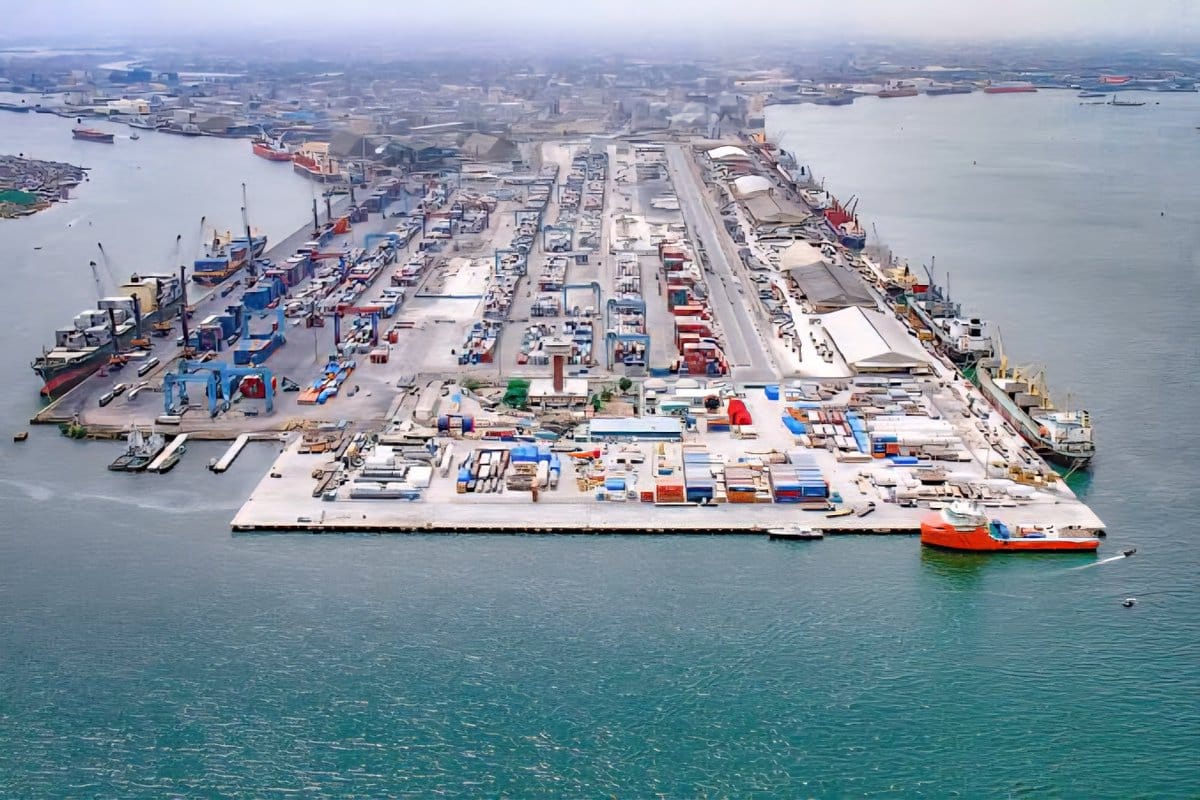
The All Progressives Congress (APC) in Lagos State has responded decisively to criticism over the Federal Government’s $1 billion investment in the Lagos ports. According to the party’s spokesman, Seye Oladejo, the investment is part of a broader blueprint to modernise Nigeria’s maritime infrastructure and is by no means a favour limited to one region.
Oladejo described opposition claims that ports in Warri, Calabar, Onne and Port Harcourt were being neglected as “laughable” and rooted in a lack of understanding of economic policy and national strategy. He emphasised that the project is about transforming Nigeria into West Africa’s premier maritime gateway — a goal that resonates with anyone involved in imports and exports in Nigeria.
A National, Not Regional, Initiative
According to the APC spokesperson, the $1 billion investment is not confined to Lagos it is a Nigeria-wide project that:
- Attracts foreign direct investment from global players such as China Harbour Engineering Company and Tolaram Group.
- Runs in parallel with upgrades to other major ports: the modernisation of Onne Port (equipment and digitalisation); dredging the Calabar Port to accommodate larger vessels; rehabilitation of the Port Harcourt Port complex; and expansion of the Warri Port corridor with integrated rail links for inland cargo movement.
- Builds on the notion that governance is driven by strategic investment not merely regional sentiment. Oladejo stated, “Governance is strategy, not sentiment. This administration is building a Nigeria that works one port, one project, and one policy at a time.”
Implications for the Maritime & Logistics Industry
For stakeholders this investment signals several important trends:
- The scale and ambition of port-investment mean that port infrastructure and operations will receive heightened attention which may translate to improved capacity, faster turnaround times, and better integration for logistics flows.
- If Lagos becomes a more sophisticated maritime hub, it could relieve pressure on existing congested spaces (such as Apapa) and offer alternatives for container clearance and vehicle imports.
- A modernised port ecosystem supports improved regional connectivity vital for businesses handling logistics, importation/exportation and customs clearance of Containerized general goods and cargos in Nigeria or moving goods across borders.
A Strategic Move for Growth
Oladejo characterised the investment not as a political favour but as “economic foresight” — aimed at job creation, boosting exports, and ending decades of inefficiency that made Nigerian ports among the costliest in Africa. He cited the Lekki Deep Sea Port as an already active example: Nigeria’s first fully automated port, contributing to improved turnaround and revenue.
Conclusion
This $1 billion port investment underscores a pivotal moment for Nigeria’s logistics and maritime sector. Staying informed about these strategic moves matters. At Clearcargonigeria Limited, we continually monitor such developments to ensure our clients benefit from improving infrastructure and trade facilitation. Ready to take your next shipment forward or explore how we can help you navigate these changes?