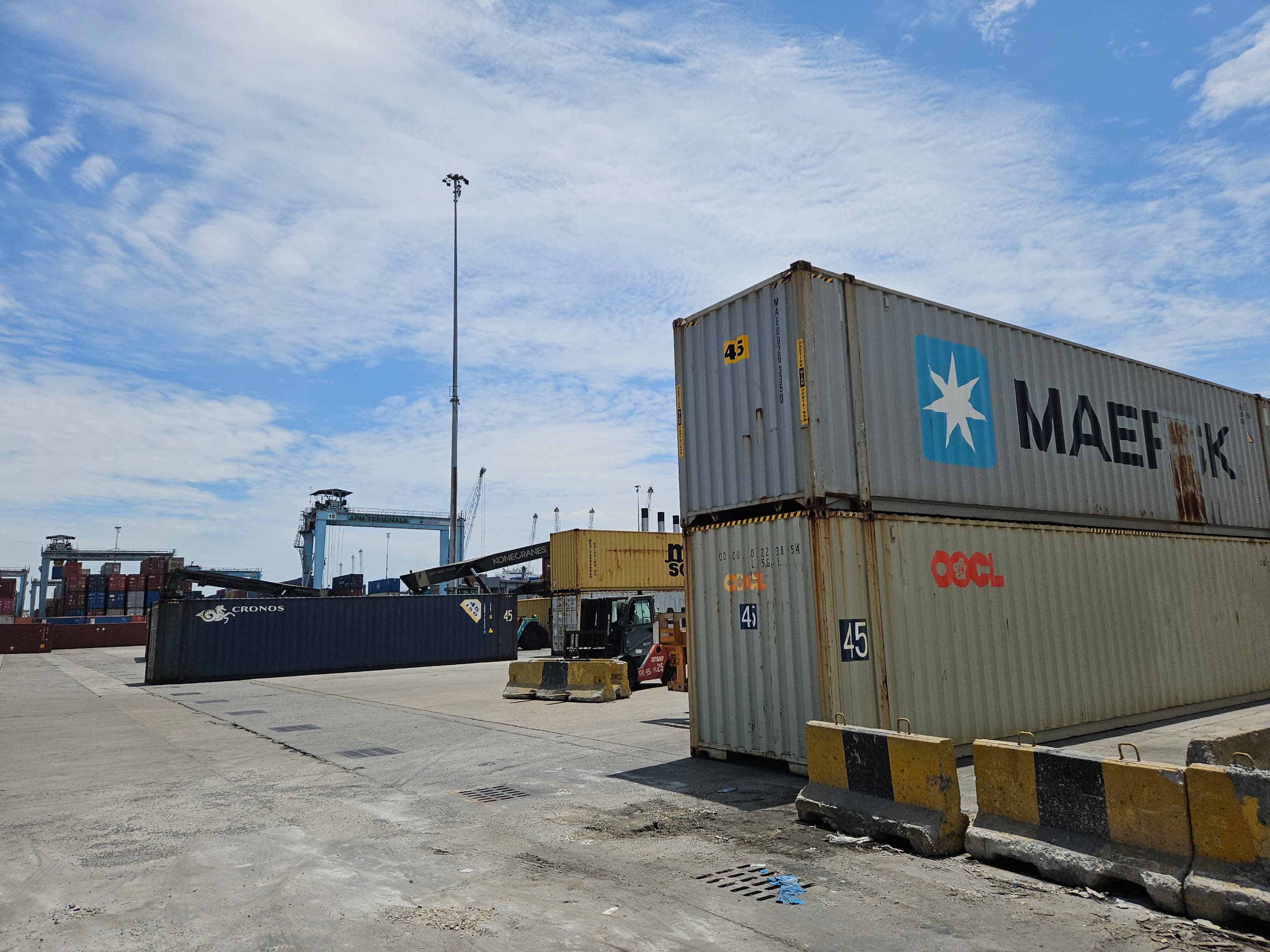
The Apapa Area Command of the Nigeria Customs Service (NCS) has unveiled a cutting-edge digital monitoring tool called the Electronic Cargo Tracking System (ECTS), marking a significant push toward enhanced cargo security and streamlined clearance processes at Nigeria’s busiest port complex.
What the System Does
The ECTS uses electronic seals, hand-held tracking devices, and real-time monitoring to track containers from their point of origin through transit to final destination.
During its pilot phase, the system was deployed on a container destined for the Kano/Jigawa command on 5 November 2025, demonstrating live monitoring capability across regions.
The command emphasises that until authorised release at the destination, containers remain sealed and un-opened—eliminating unauthorized diversion of goods and supporting revenue protection.
Why It Matters for Cargo Clearance and Trade Efficiency
The introduction of the Electronic Cargo Tracking System (ECTS) is more than a technical upgrade — it represents a new era of accountability in Nigeria’s import and export chain. With real-time tracking and digital oversight, clearing agents, freight forwarders, and logistics companies can now operate with improved visibility across every stage of cargo movement.
For importers, it reduces uncertainty and enhances trust, ensuring that containers and vehicles arrive exactly as received from port terminals. For customs officials and private operators, it encourages faster clearance decisions, fewer disputes, and improved coordination between shipping agents, trucking firms, and terminal operators.
Ultimately, the ECTS sets a higher compliance standard for all players in the logistics ecosystem — one that positions Nigeria closer to global best practices in transparent cargo management and international freight forwarding.
Challenges & Looking Ahead
Although the ECTS marks a major milestone, its success will depend on several factors:
Full rollout beyond the pilot phase—ensuring coverage across all routes, ports, and inland transit corridors.
Technical reliability and proper training for officers and stakeholders managing the system.
Integration with other reforms such as the “One-Stop Shop” clearance model, the e-call-up system at ports like Apapa, and wider logistics infrastructure improvements.
Conclusion
By deploying the ECTS, the Apapa Command is signalling a move toward a more secure, visible, and efficient import-export environment. Whether you are importing general goods and cargos, vehicles, or containers, being aligned with these systems strengthens your position in the logistics chain. At Clearcargonigeria Limited, we keep pace with such technological advances so you benefit from the most reliable clearance and transport solutions available.
📌 Check for tailored support on vehicle or cargo clearance in Nigeria