The debate over Nigeria’s maritime infrastructure has recently intensified following comments by Lagos State Governor Babajide Sanwo-Olu about the reactivation of other seaports outside Lagos. The remarks have sparked concern and discussion among industry stakeholders, especially in light of ongoing efforts to improve port efficiency and ease the pressure on Lagos’ major trade gateways.
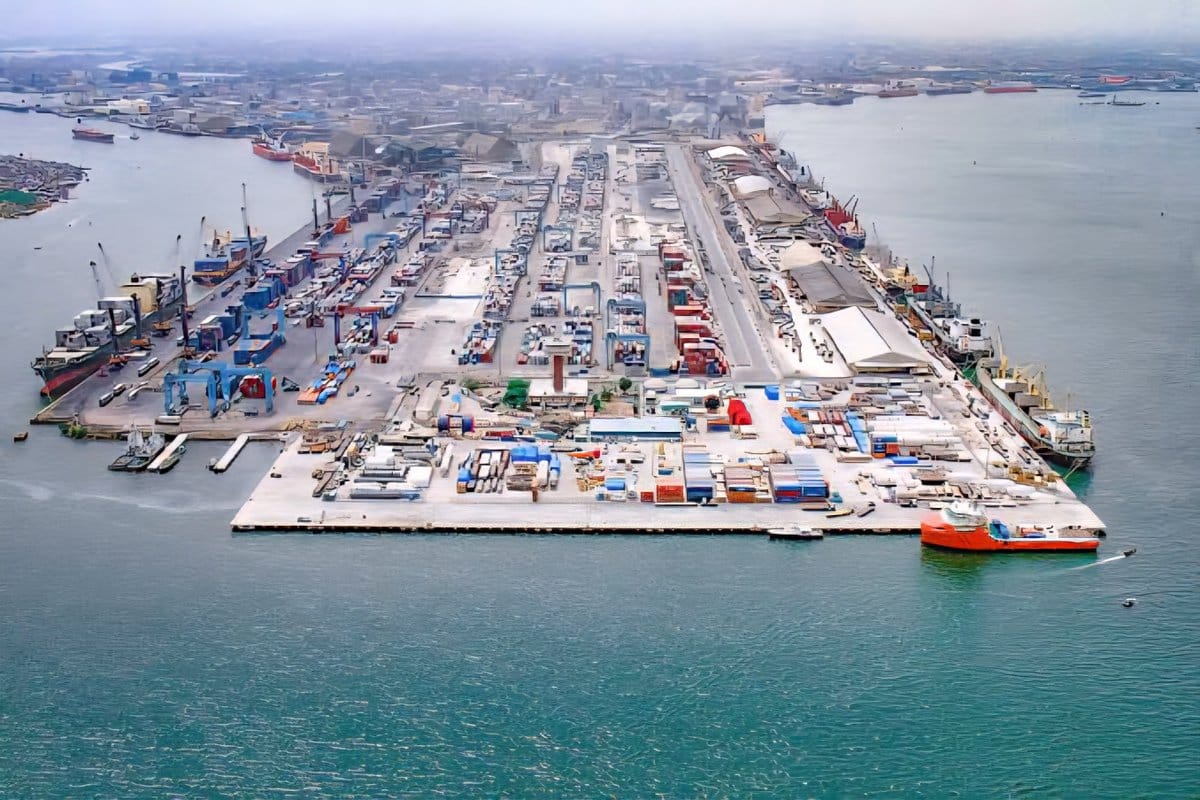
For decades, the Apapa and Tin Can Island port complexes in Lagos have been the backbone of the country’s import and export activities, handling roughly 70 – 80 percent of national cargo traffic. This dominance has encouraged a dense cluster of logistics businesses, including clearing agents in Apapa Lagos, freight forwarders, shipping agents, bonded terminals, freight brokers, and related service providers.
The Call for Balance Across Nigeria’s Port System
Under Nigeria’s current logistics landscape, congestion has been a defining challenge at Lagos ports – from long queues of truck movements to strained access roads and complex evacuation routes for containers and goods. Despite reforms such as electronic call-up systems and traffic management enhancements, the volume of cargo still exceeds the historic infrastructure capacity.
Recognizing this, the Nigerian Ports Authority (NPA) and port stakeholders have intensified focus on reviving other port facilities such as Warri, Onne, and Calabar. These ports, though historically significant, have faced decades of neglect and underutilization. The aim of their rehabilitation is to reduce national logistics costs, enhance regional trade capacity, and ease cargo congestion at Lagos ports.
Divergent Views and Strategic Concerns
Some maritime editors and industry analysts interpreted Governor Sanwo-Olu’s remarks as uneasiness over the federal push to shift cargo volumes away from Lagos; others argue the reaction reflects deeper economic considerations rather than simple resistance. Supporters of Lagos’ position point to the city’s dense trade ecosystem – from major manufacturers and importers to clearing agents and freight forwarding agents in Nigeria – that rely heavily on port performance to sustain production cycles and supply chains.
Critics of the status quo contend that simply maintaining Lagos’ dominance is no longer tenable, emphasizing that a more diversified port system could reduce overall supply chain costs, distribute economic activity more equitably, and support infrastructure development nationwide.
Improving Efficiency & Reducing Cargo Bottlenecks
Real progress in reforming Nigeria’s maritime network will require more than shifting cargo volumes; it will demand:
Investment in dredging and waterway security to improve accessibility at alternative ports.
Enhancement of cargo handling systems and modern terminal equipment.
Balanced development of transport linkages – including road, rail, and inland water connections to port hubs.
Deployment of digital trade facilitation tools such as the National Single Window, which harmonizes documentation and speeds up procedures across ports.
When these elements are brought together, Nigeria could develop a unified logistics network that spreads cargo throughput across multiple gateways, reducing overreliance on any single location and enabling more efficient clearing containers in Nigeria and goods movement nationwide.
Strategic Importance for Nigerian Trade
A balanced port system offers benefits that go beyond congestion relief: it can stimulate Nigerian imports and exports, support regional industrial growth, and attract further private investment into the maritime and logistics sectors. By making alternative ports viable and efficient, Nigeria can unlock more economic opportunities for exporters, importers, manufacturers, and logistics providers alike – all of whom play vital roles in the broader trade ecosystem.
Conclusion
The debate over port reactivation underscores a pivotal moment for Nigeria’s trade infrastructure. As the nation works toward a more integrated and efficient maritime system, businesses involved in port operations, cargo handling, and international logistics need reliable partners to navigate evolving dynamics.