As Nigeria’s trade environment continues to evolve, importers and exporters must understand one fundamental truth: successful cargo movement begins and ends with compliance. From general merchandise and machinery to vehicles and consolidated cargo, Nigerian Customs procedures are increasingly digital, data-driven, and compliance-focused.
For businesses and individuals involved in imports and exports in Nigeria, the new year presents both opportunities and stricter enforcement. This guide explains how to move goods legally and efficiently without shortcuts, falsification, or avoidable delays.
Understanding Nigeria’s Import and Export Framework
The Nigeria Customs Service (NCS) operates on internationally recognized trade principles designed to protect revenue, national security, and fair commerce. Whether you are shipping goods into or out of the country, Customs clearance is not negotiable. It is procedural and evidence-based.
Key objectives of Customs clearance include:
- Accurate revenue collection
- Prevention of smuggling and false declarations
- Protection of consumers and national interests
- Trade facilitation for compliant importers and exporters
Every cargo is assessed based on documentation, declaration accuracy, and physical or electronic verification. Core Principle: Compliance Is Not Optional. One of the most common causes of delays, penalties, and cargo seizures in Nigerian ports is non-compliance. This includes:
❌ Under-declaration of cargo value
❌ False description of goods
❌ Document falsification or manipulation
❌ Attempting to bypass approved procedures
It is important to state clearly:
All duties, levies, and charges are subject to Nigeria Customs approval- not importer discretion. Customs determines duty payable using its valuation methods, HS tariff classifications, and risk assessment systems, regardless of what value an importer assumes or declares.
Key Documents Required for Import Clearance
To clear goods and cargo in Nigeria smoothly, the following documents must be genuine, consistent, and properly issued:
- Bill of Lading (or Air Waybill)
- Commercial Invoice
- Packing List
- Form M (for imports)
- PAAR (Pre-Arrival Assessment Report)
- Product certificates or permits (where applicable)
Any inconsistency between these documents can trigger alerts, inspections, or post-clearance audits.
Importing General Goods into Nigeria: Step-by-Step Overview
Pre-Shipment Compliance
- Ensure goods are not prohibited or restricted
- Confirm correct HS codes and applicable duties
- Process Form M and PAAR accurately
Arrival and Declaration
- Submit truthful declarations via Customs platforms
- Avoid last-minute document alterations
Customs Assessment
- Duty calculation based on tariff and valuation
- Possible scanning or physical examination
Payment and Release
- Settle assessed duties and charges
- Cargo release upon Customs approval
- Payment of Local shipping and Terminal charges
- Haulage to Consignee Address or Warehouse
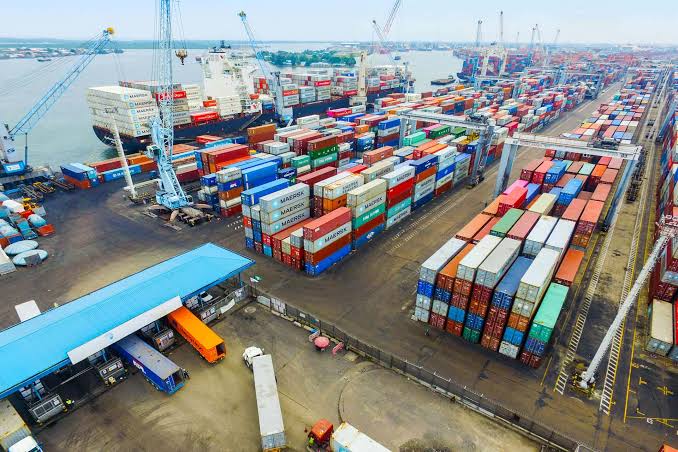
This same compliance logic applies whether you are clearing containers in Nigeria, handling consolidated cargo, or importing commercial quantities.
Exporting Goods from Nigeria: Compliance Still Applies
Exports are often assumed to be “easier,” but this misconception leads to costly mistakes.
Nigerian export procedures focus on:
- Verification of cargo origin
- Compliance with destination country requirements
- Prevention of illicit or prohibited exports
Exporters must ensure:
- Accurate cargo description
- Valid export permits (where required)
- Compliance with international trade standards
Failure to comply can result in shipment rejection abroad or sanctions locally.
The Role of Licensed Clearing and Freight Forwarding Agents and Professionals
Working with licensed clearing agents and experienced freight forwarding agents in Nigeria is not just about convenience, it is about risk management.
A professional clearing agent in Nigeria helps:
- Interpret Customs regulations correctly
- Prevent compliance errors before shipment
- Interface transparently with Customs authorities
- Protect importers from avoidable penalties
In an era of increased digital monitoring, compliance errors leave permanent audit trails.
Why Shortcuts Cost More in the Long Run
Attempting to “save costs” through under-declaration or document manipulation often leads to:
- Cargo delays and demurrage
- Reassessment and penalties
- Blacklisting or heightened scrutiny
- Legal exposure and reputational damage
Compliance may appear slower at first but it is always cheaper, safer, and more sustainable.
A Compliance-Driven Trade Outlook for the New Year
As Nigeria continues to modernise its port and Customs systems, transparency and data accuracy will only become more critical. Importers and exporters who build their operations around truthful declarations and proper documentation will experience fewer disruptions and stronger business continuity.
At Clearcargonigeria Limited, our approach remains simple: No falsification, no under-declaration, and no shortcuts only compliant, professional cargo handling.
For detailed guidance, you may also explore our:
 To learn more – Step By Step Guide: Clearing goods and cargos in Nigeria