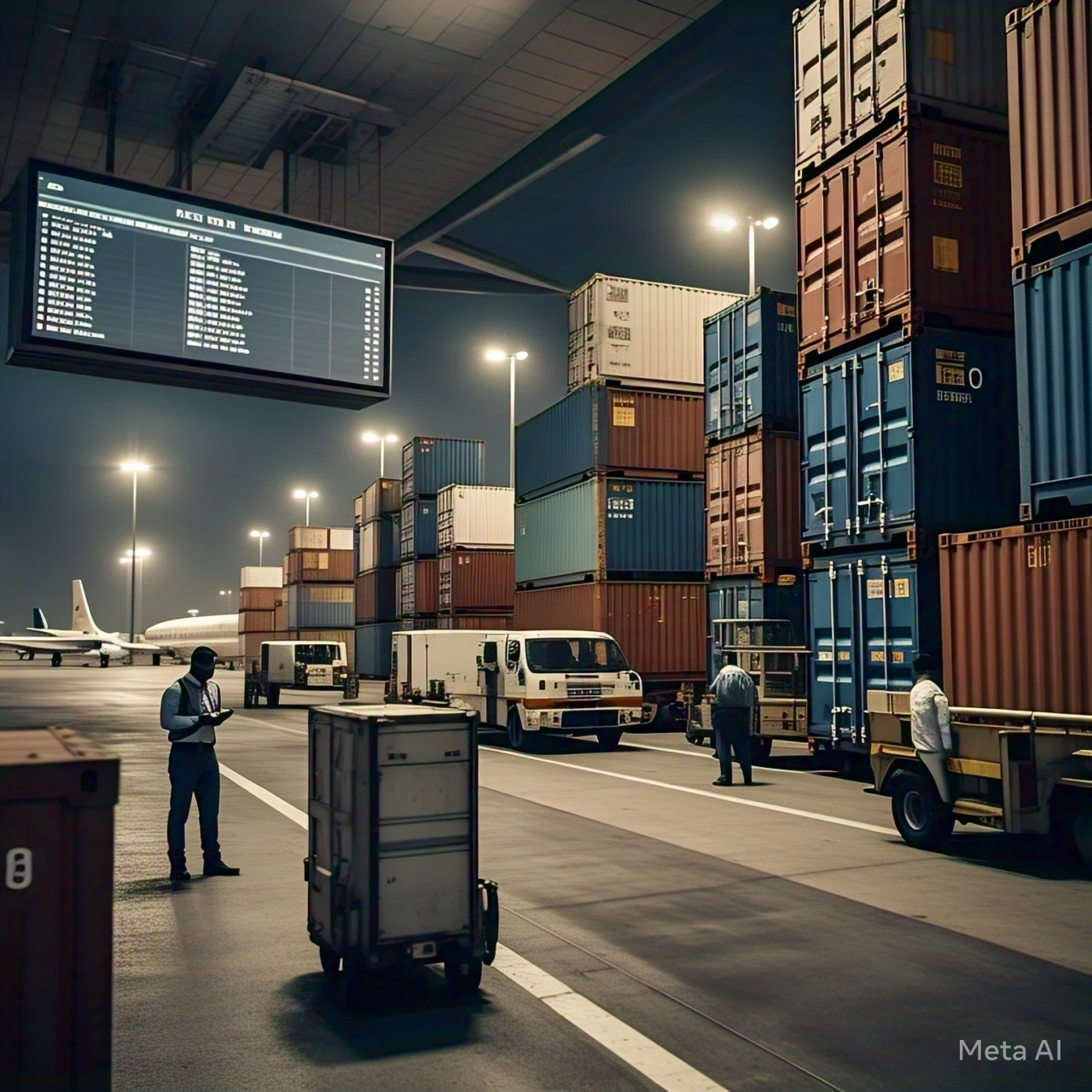

Air transport’s share in Nigeria’s exports has declined by about 10 percent between late 2024 and mid-2025. The drop highlights significant challenges facing cargo services in Nigeria as freight becomes more expensive and operational constraints tighten.
Key Trends & Drivers
Export value via air fell from ~N127.3 billion to ~N114 billion in the period under review. Experts cite air freight costs denominated in dollars and the devaluation of the naira as core causes. When exchange rates weaken, international shipping via air becomes much costlier for exporters.
From total export volume, air‐transport accounted for a minor share, while maritime transport dominated.
Stakeholder Views & Possible Remedies
Leading freight operators suggest that policy changes are needed to bring down export costs, improve efficiency, and stabilize currency exchange dynamics.
They urge better support for exporters—through clearing goods and cargos in Nigeria more efficiently, adopting streamlined processes, and possibly subsidizing certain aspects of air freight.
There’s also the idea of positioning Nigeria as a regional air-cargo hub, which could encourage volume growth and economies of scale.
What This Means for Trade Ecosystem
A weaker performance in air cargo exports can slow growth for specialized exporters who depend on speed and perishability (e.g. agricultural, pharmaceutical).
The burden on freight forwarding agents in Nigeria, clearing agents in Nigeria, and other logistics operators increases when margins are tight and costs balloon.
To reverse the trend, attention must be given to systemic reforms: cost control, better infrastructure, reduced regulatory friction, and integrated logistics.
In Conclusion
The decline in Nigeria’s air cargo exports underscores the challenges posed by rising costs, currency pressures, and infrastructural gaps. To remain competitive in the global market, businesses need reliable Nigerian clearing and freight forwarding agency
For more insights on navigating export challenges and practical solutions, visit our Export Services page.