
Apapa Customs, ICPC Deepen Collaboration on Compliance, Anti-Corruption, and Trade Facilitation

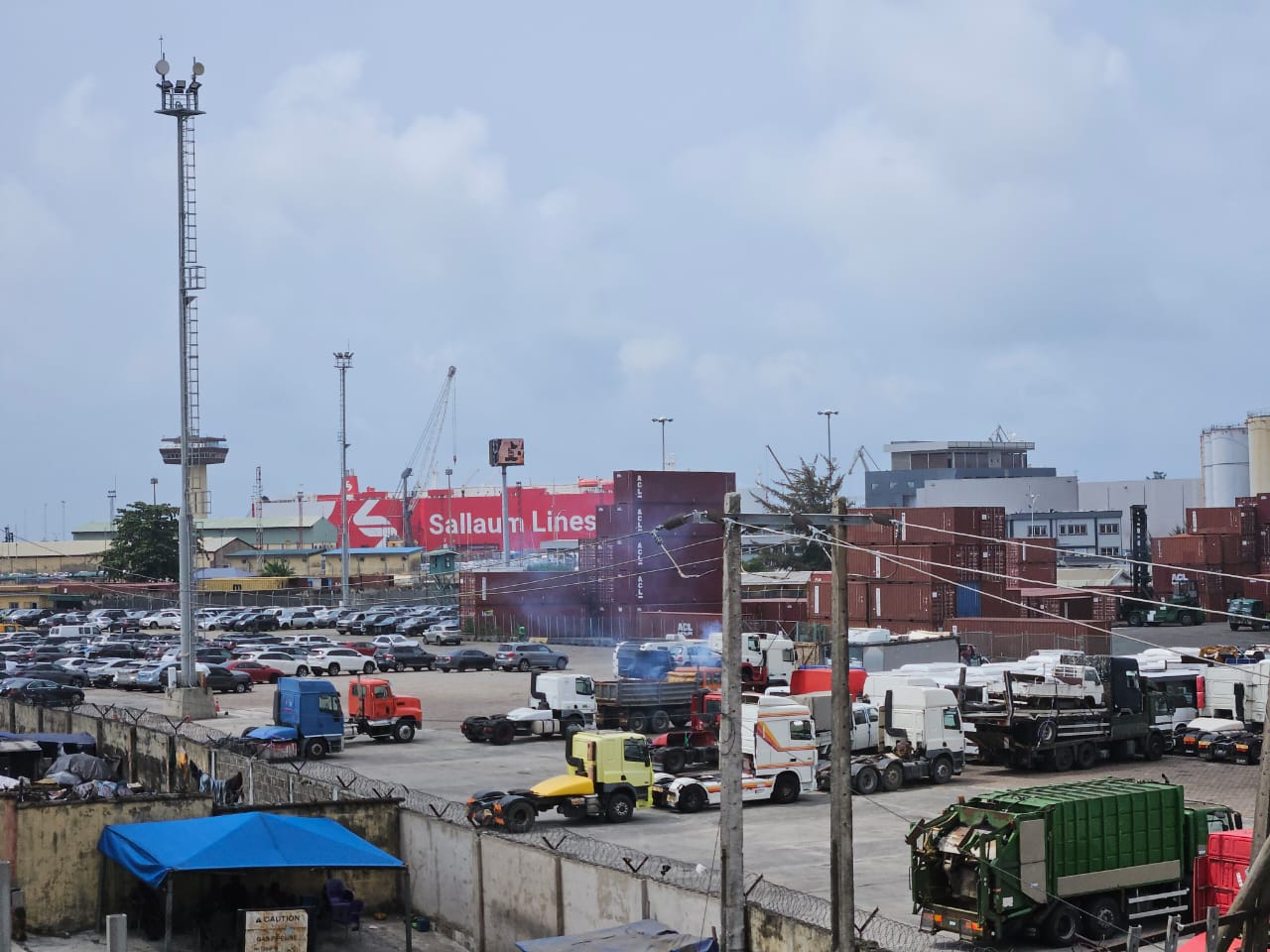
The Nigeria Customs Service (NCS), Apapa Area Command, has reaffirmed its commitment to strengthening institutional cooperation with the Independent Corrupt Practices and Other Related Offences Commission (ICPC). This renewed partnership aims to enhance transparency, improve compliance across Nigeria’s trade corridors, and support national development efforts.
The declaration was made by the Customs Area Controller, Comptroller Emmanuel Oshoba, during a courtesy visit to the ICPC Lagos Office on Tuesday, 11 November 2025. The meeting focused on advancing collaboration in intelligence sharing, compliance enforcement, public sensitisation, and operational synergy—key pillars needed to modernise Nigeria’s import and export ecosystem.
Aligning Customs Mandates with National Objectives
While addressing the ICPC officials, Comptroller Oshoba outlined the core responsibilities of the Nigeria
Customs Service:
Revenue collection
Trade facilitation
Public safety
National security
He explained that these mandates align with the Comptroller-General’s strategic framework of Consolidation, Collaboration, and Innovation, underscoring the need for strong partnerships across government institutions.
Oshoba emphasised that Nigeria’s economic and security ambitions can only be realised through practical cooperation between agencies responsible for regulating trade and fighting corruption.
“Nigeria is a national project, and we are all collaborators to keep the flag flying,” he said. “Coming from an intelligence background, I know that results depend on sources, information, and synergy. No agency can succeed in isolation.”
Compliance as a Key Driver of Efficient Trade
Comptroller Oshoba also highlighted the importance of compliance in achieving seamless trade facilitation. He noted that persistent issues such as inaccurate declarations, document falsification, and non-compliance with customs procedures are major obstacles to efficient cargo clearance—especially for stakeholders such as clearing agents in Apapa Lagos, importers, and freight forwarders.
“The most disturbing thing for us is non-compliance,” he stated. “Our systems cannot function effectively without accurate declarations. Compliance is the foundation of fair and transparent trade.”
ICPC Reaffirms Support for Customs
Responding to the Customs delegation, ICPC Lagos Commissioner Alexandra Chukwurah expressed appreciation for the long-standing relationship between both organisations. He noted that the Nigeria Customs Service has consistently maintained a strong working partnership with the ICPC, anchored on shared values of accountability and integrity.
“Customs and ICPC have worked closely over the years,” Chukwurah said. “We have had officers embedded within each other’s units, and our collaboration has been mutually beneficial. Whenever there is uncertainty about an anti-corruption issue, we expect you to reach out. We are here to support you.”
Strengthened Partnership for Cleaner Trade Corridors
The meeting concluded with both agencies pledging to intensify their collaboration through:
Joint sensitisation programmes
Compliance awareness campaigns
Capacity-building seminars
Strengthened operational coordination.
These efforts aim to foster a more transparent, efficient, and corruption-resistant environment for Nigerian imports and exports, benefitting importers, exporters, logistics providers, and clearing agents in Nigeria who rely on predictable and credible trade processes.
Conclusion
The renewed partnership between Apapa Customs and the ICPC represents a significant step toward reinforcing integrity and efficiency across Nigeria’s trade and logistics landscape. As the nation prioritises digitalisation, compliance, and anti-corruption reforms, strengthened inter-agency collaboration becomes essential for building a safer and more transparent cargo-clearing environment.
For businesses seeking guidance on compliant imports, exports, or cargo documentation, it is crucial to work with experienced and trustworthy professionals. Visit our FAQs page for expert insights on trade regulations, documentation requirements, and best practices for seamless cargo clearance in Nigeria.