Apapa Gridlock Once Again Paralyses Port Corridor as E-Call-Up System Breaks Down

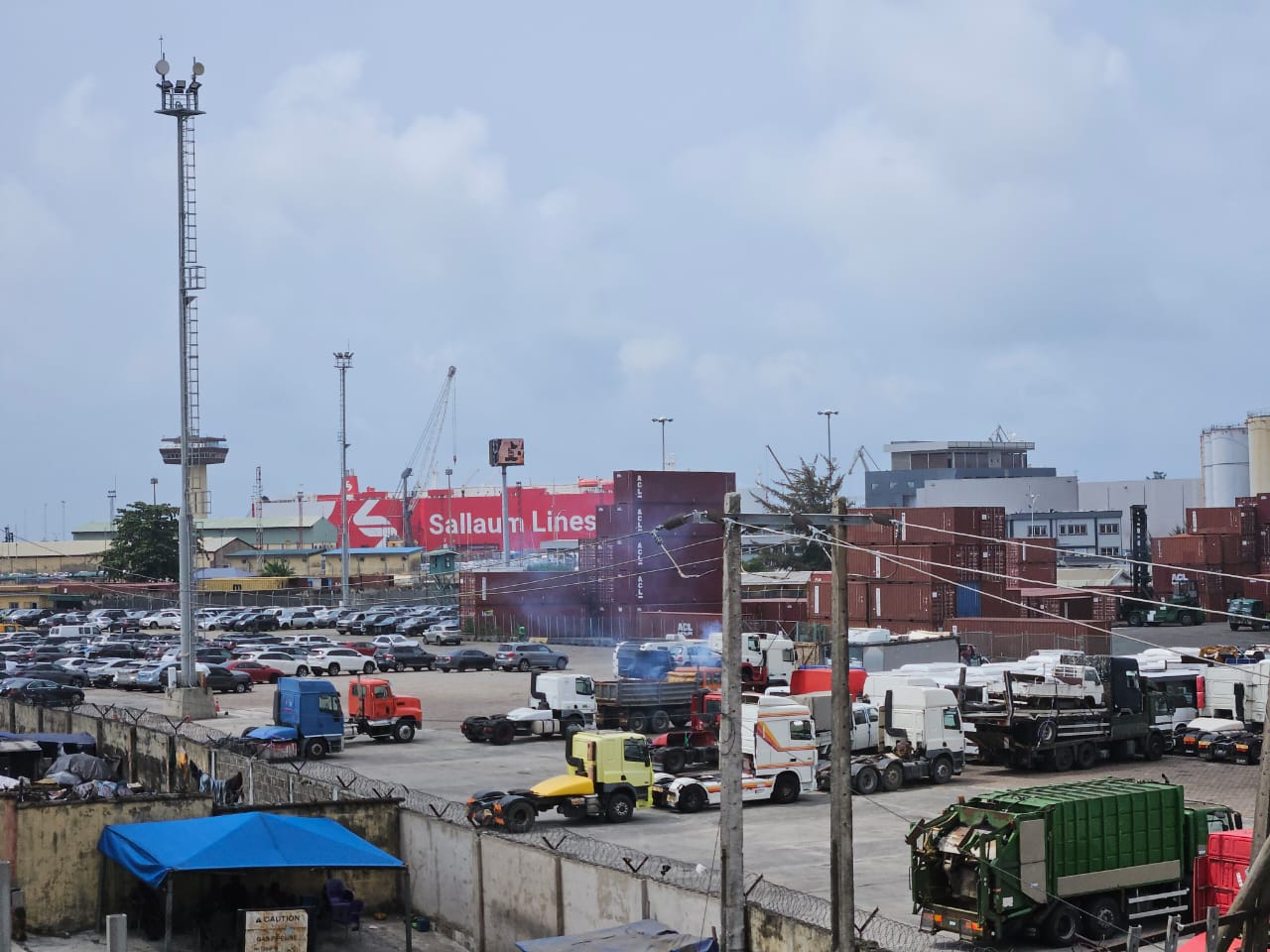
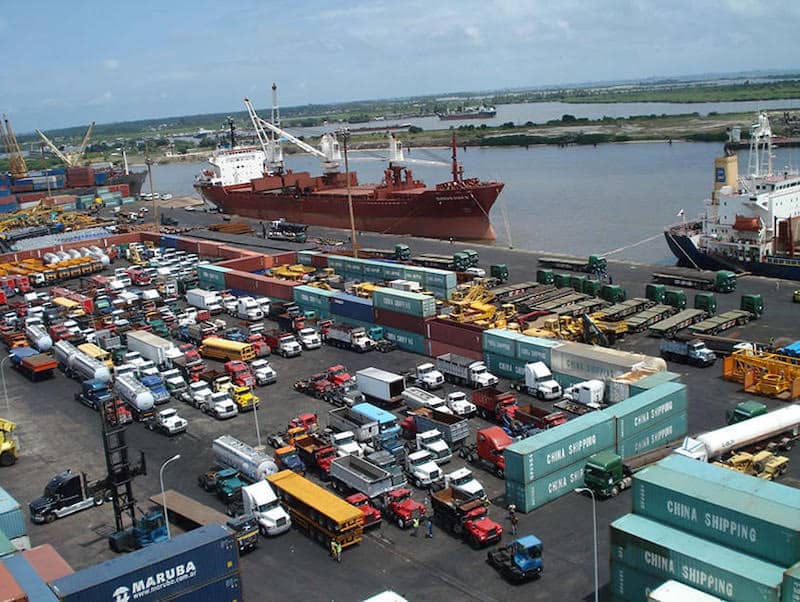
Severe traffic congestion has re-emerged along the access roads to Nigeria’s major port hub at Apapa, after the collapse of the electronic “call-up” system (E-Call-Up) that was initially introduced to regulate truck movement and clear cargo efficiently.
System Breakdown & Alleged Racketeering
The E-Call-Up platform, designed to streamline access for trucks entering the ports, has reportedly been hijacked by unscrupulous actors. Truck drivers and transport operators allege that access tickets are being sold on the black market, with fees ranging between ₦5,000 and ₦20,000 per checkpoint—and some drivers claim total costs of over ₦80,000 before reaching the port.
One driver, Sheriff Abdullai, reported spending days waiting in park lots and at checkpoints after acquiring a ticket because the system did not guarantee meaningful access.
Impact on Port Operations & Local Economy
The gridlock extends from Marine Bridge to the Sifax terminal on the Ijora–Apapa corridor, disrupting cargo movement, delaying clearance of goods and containers, and ultimately inflating costs for importers, exporters and logistics service providers alike.
Staff from the Association of Maritime Truck Owners (AMATO) pointed to discriminatory implementation of the call-up system, saying trucks following due process were delayed while others got faster access by virtue of informal payments.
Government Response & Underlying Issues
In response, the Nigerian Ports Authority (NPA) temporarily suspended truck movement from pre-gate zones to help ease congestion. Officials from the Lagos State Government also urged federal intervention, warning that the persistent congestion could undermine trade efficiency, raise import and export costs, and hamper operations for key logistics players and stakeholders.
Key contributing factors include limitations in infrastructure, weak enforcement of designated truck parks, and suspected collaboration between truck park operators, touts and port officials—compromising the integrity of the system meant to support trade facilitation.
Why This Matters for Importers, Exporters & Logistics Services
For businesses involved, this situation underscores several risks and considerations:
Access delays increase dwell times and logistics costs for containers, vehicles and general cargo at the port corridor.
Disruptions in port entry and clearance affects freight forwarding procedures and processes all of whom must manage timing, storage, and additional charges.
Inefficient truck movement and truck park bottlenecks translate into higher logistical overheads for shipments across the import/export value chain.
Conclusion
The renewed gridlock at Apapa reveals how fragile port corridor reforms can be when systems are compromised. For the logistics eco-system—the importance of reliable access, transparent processes and experienced clearing and forwarding partners cannot be overstated.
At ClearCargoNigeria, we closely monitor these developments and stand ready to support you with smooth clearance, trusted logistics and tailored solutions. If you’d like assistance navigating cargo movement, container clearance or shipping through Apapa, visit our Quick-Quotes page to connect with our team and get started.