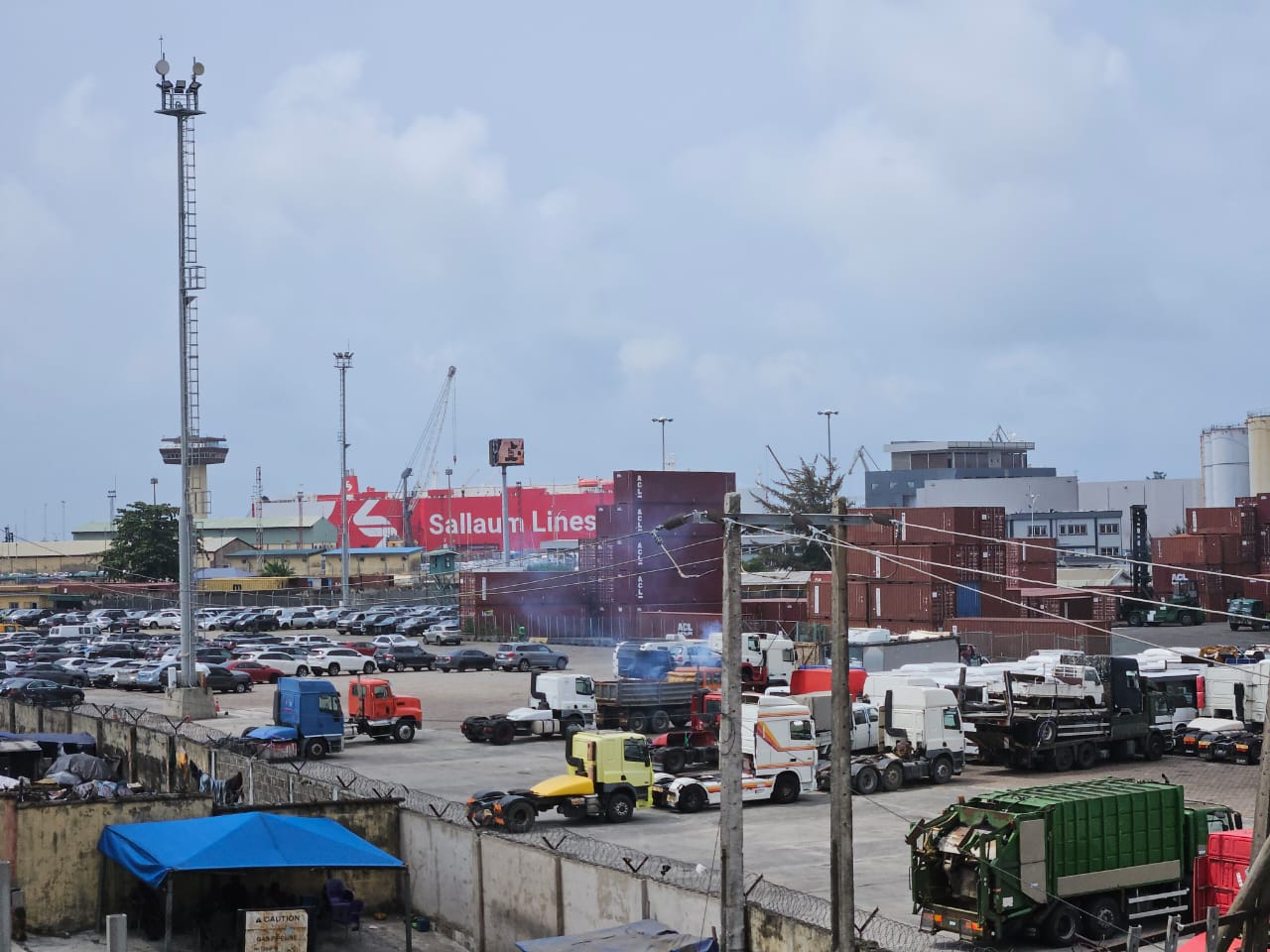


Licensed customs agents in Nigeria are raising serious concerns about repeated technical failures in the newly launched B’Odogwu digital customs management system, operated by the Nigeria Customs Service (NCS). According to the Association of Nigerian Licensed Customs Agents (ANLCA), the system’s frequent downtime is severely disrupting cargo clearance and causing major financial losses.
System Glitches and Economic Fallout
The ANLCA’s Vice President, Segun Oduntan, acknowledged that while there have been improvements since the system began operation, more stability is needed—especially during peak periods of import activity. His concern is shared by Kayode Farintan, a veteran freight forwarder and former ANLCA Vice President, who warned that the ongoing instability is inflicting “billions of naira” in economic losses.
Farintan highlighted that during the “Ember months”—a period known for a surge in import volume—a reliable digital platform is essential. But the current infrastructure and contingency planning, he argues, are not up to the task.
How Port Operations Are Affected
According to ANLCA, the system failures have triggered a cascade of challenges:
Delays in cargo clearance are driving up demurrage and storage charges, as importers struggle to clear their goods.
Perishable cargos are at risk of spoiling, since they can’t be moved when the platform is offline.
The disruption is also straining the supply chain: delayed raw materials mean production slowdowns, job losses, and higher costs for manufacturers and consumers.
Official Response & Broader Context
Customs authorities have previously acknowledged system issues. The NCS stated that there was a backlog caused by technical integration problems—particularly involving key trade documentation like Form M and Pre-Arrival Assessment Reports (PAAR). While they say the problem has largely been addressed, stakeholders remain skeptical about long-term stability.
The unreliability of the B’Odogwu system can disrupt planning and cash flow, especially when demurrage costs escalate.
Importers may face increased costs or delays, affecting just-in-time production and inventory management.
Logistics service providers have to account for unpredictability in customs clearance, potentially affecting their pricing and risk models.
Conclusion
Persistent failures in Nigeria’s digital customs platform undermine much of the progress promised by modernisation. While the B’Odogwu system was expected to streamline trade, the current challenges risk reversing efficiency gains and hurting businesses across the maritime value chain.
At ClearcargoNigeria, we closely monitor these developments. We advise our clients to factor system stability into their logistics planning and to work with experienced, licensed clearing agents in Nigeria who understand how to navigate these platform disruptions. For expert support or to discuss how this may affect your next shipment, Contact-Us and get in touch.