
Licensed customs agents in Nigeria have expressed strong opposition to a plan by the Nigeria Customs Service (NCS) to increase license registration and renewal fees. According to industry leaders, the current charges are already a heavy burden, and further increments would place many operators at risk of shutting down.
The National Council of Managing Directors of Licensed Customs Agents (NCMDLCA), in a petition to President Bola Tinubu, urged the government to intervene and stop the proposed adjustments. The group’s president, Lucky Amiwero, noted that most practitioners operate on a small or medium scale, meaning higher fees could cripple their businesses and lead to job losses.
Comparing Practices
Stakeholders also argued that the proposed rates are out of line with international best practices. In other African countries, license fees for customs agents remain relatively modest. Professional groups in Nigeria, such as accountants, doctors, and lawyers, also pay much less in annual dues compared to what customs agents are being asked to shoulder.
Why It Matters
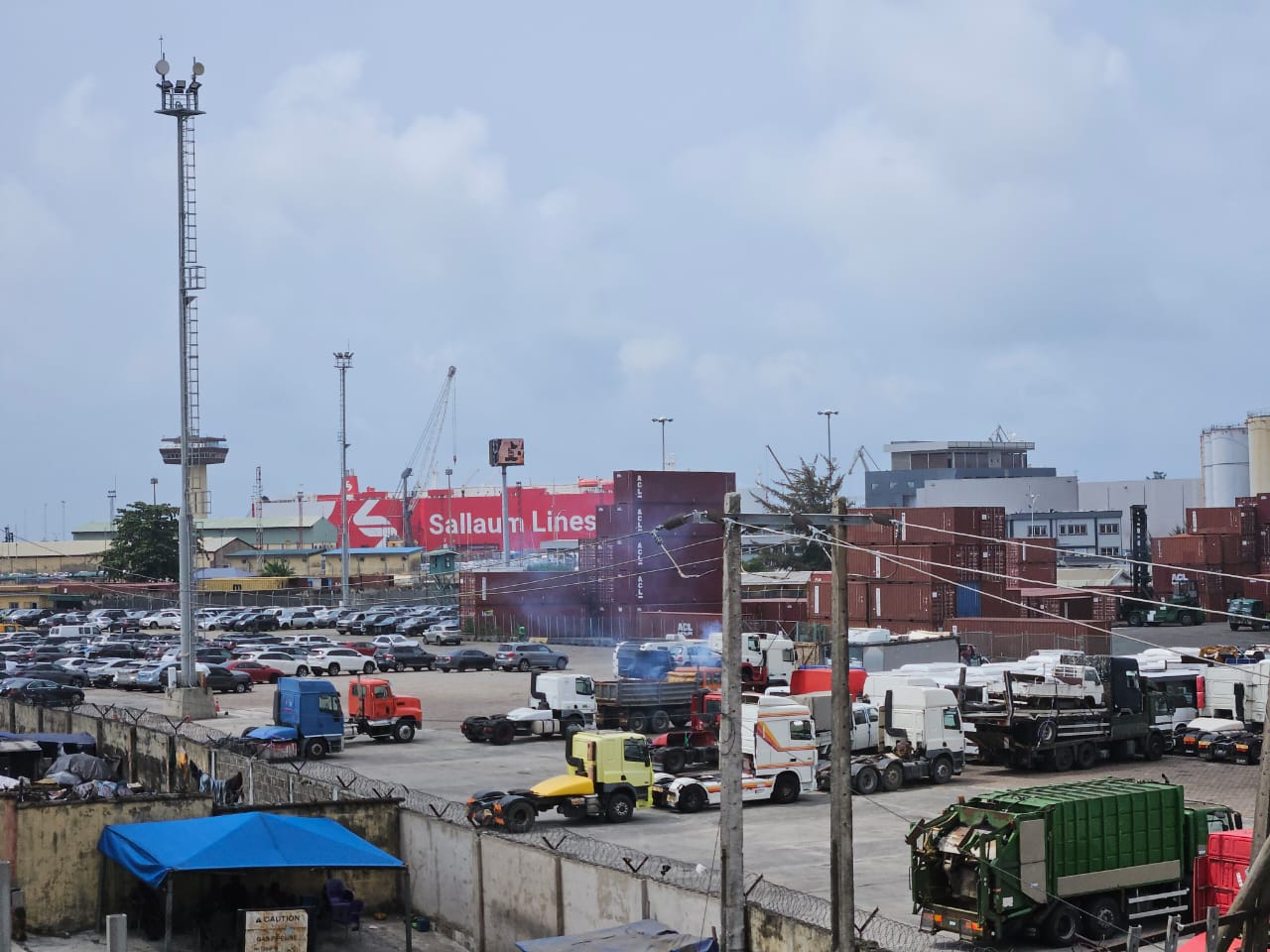
Customs agents are essential to trade facilitation, as they handle the clearing of goods and cargos in Nigeria, shipping processes, and documentation for imports and exports. The NCMDLCA stressed that licensing should not be treated as a revenue tool but rather as a means of ensuring competence and compliance in areas like classification, valuation, and trade agreements.
The Call for Reform
Agents are therefore calling for:
A suspension of the proposed increments until an inclusive review is conducted.
Fair alignment of fees with regional standards.
Better training and support from NCS to keep agents up to date with global trade procedures.
Conclusion
The petition highlights the risk of destabilising a vital sector in Nigeria’s economy if license fees are raised without due consultation. Customs clearing agents play a central role in trade facilitation and compliance in imports and exports of goods, including customs clearing of containers of vehicles, trucks and machineries, finished market products, raw materials, personal effects, industry equipments and general market goods in Nigeria.
Protecting their operations is critical to maintaining efficient trade and logistics.
For more updates on Nigerian imports and exports, freight forwarding services, and professional cargo solutions, visit our Blog for related insights.