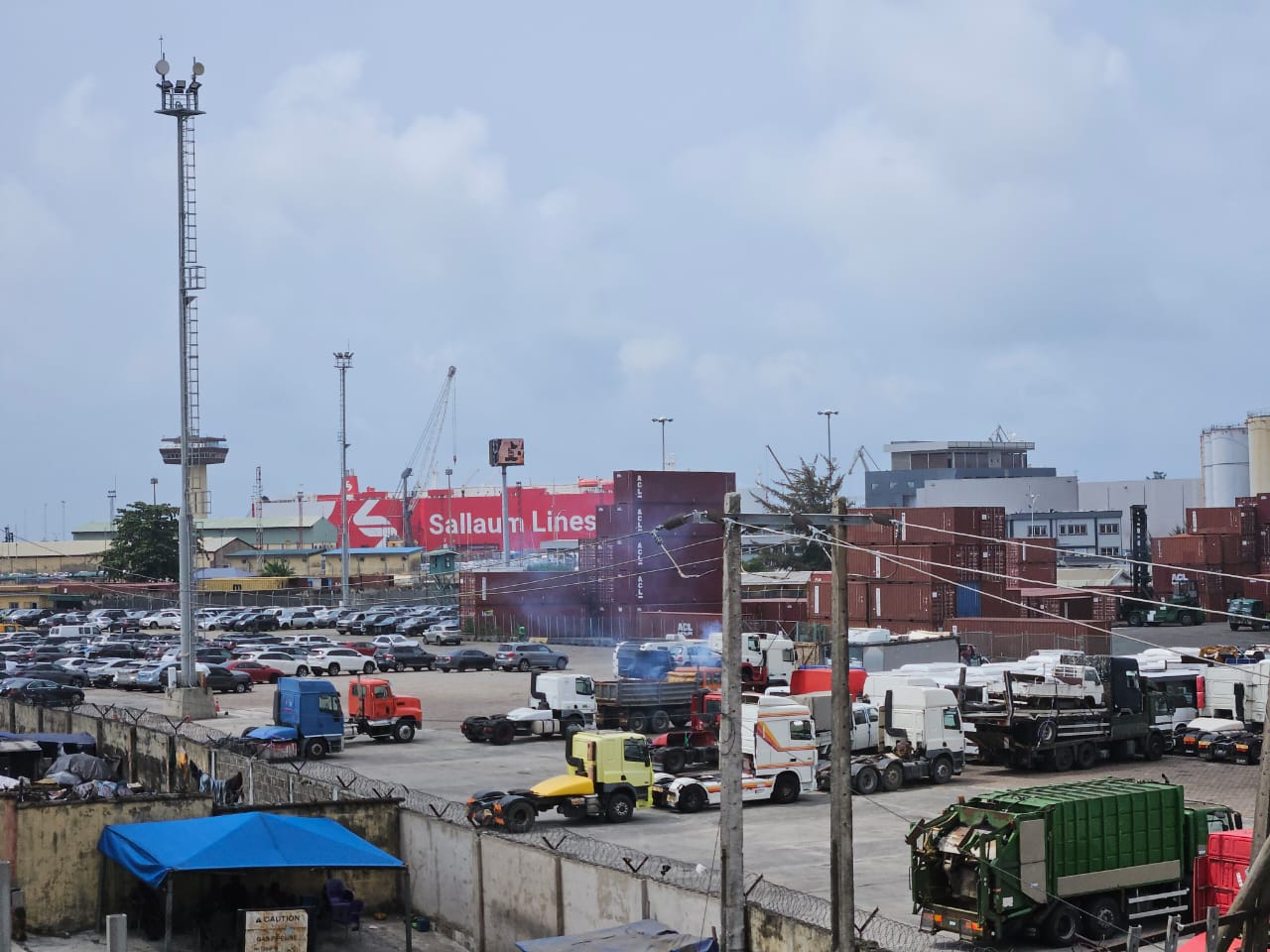
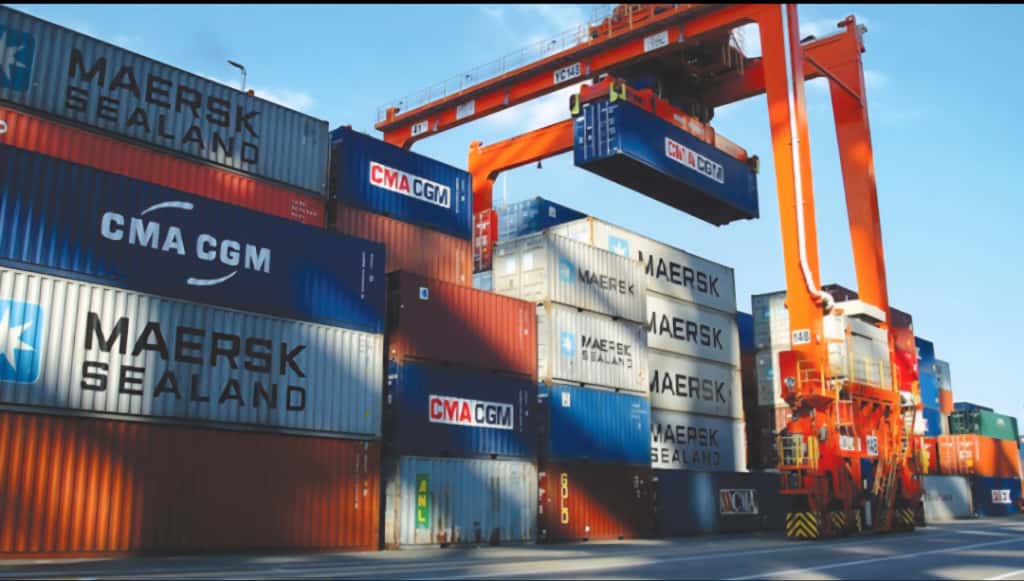

Nigeria’s Federal Government has announced plans to officially launch the National Single Window (NSW) digital trade platform by March 2026 — a major step toward transforming the country’s import and export processes. This move is part of ongoing efforts to simplify customs operations, enhance transparency, and make Nigeria’s ports more efficient and competitive.
When fully operational, the platform is expected to integrate multiple government agencies involved in trade, cutting through delays, paperwork, and bureaucratic bottlenecks that have long hindered international logistics in Nigeria.
What is the National Single Window (NSW)?
The National Single Window is a centralized digital platform designed to allow traders, clearing agents in Nigeria, shipping companies, and government regulatory bodies to process import and export documentation from one secure online portal.
In its first phase, the NSW will feature:
Submission of licenses, certificates, and permits (LCPO) for imports
Digital submission of manifests by air, sea, and land operators
A risk management system for agencies such as NAFDAC, SON, and NAQS to evaluate shipments before they arrive
This unified process will eliminate redundant checks, improve coordination among agencies, and enable a faster, data-driven approach to cargo processing.
Key Objectives and Benefits
The government aims to use the NSW to cut port delays and reduce trade costs, while increasing Nigeria’s attractiveness as a regional logistics hub.
1. Reduced Cargo Clearance Time
With the NSW, import and export documentation that currently takes several days—or even weeks—could be processed within 24 hours. This will be a game-changer for clearing agents in Apapa Lagos and other major ports, who have long battled clearance bottlenecks.
2. Fewer Physical Inspections
The new digital system aims to reduce physical examinations of goods to less than 10%, allowing customs and other border agencies to rely more on electronic risk assessment. This will save time and reduce congestion at terminals, improving turnaround for freight forwarding agents in Nigeria and international traders.
3. Lower Costs and Increased Revenue
By reducing duplication of procedures, Nigeria could save over $3 billion annually in trade-related costs. It will also improve government revenue through better transparency and automation in customs declarations and duty payments.
4. Integration of Over 60 Government Agencies
The NSW will connect more than 60 ministries, departments, and agencies (MDAs), along with private-sector players, security services, and port operators. This interconnectivity will improve coordination across Nigeria’s entire trade ecosystem—from shipping agents in Nigeria to logistics service providers and exporters.
Global Partner for Implementation
The project will be implemented by CrimsonLogic, a Singapore-based tech company with a proven track record of successfully deploying single-window systems in Kenya, Benin Republic, and Djibouti.
Those countries saw significant reductions in trade turnaround time after adopting similar platforms—a trend Nigeria hopes to replicate through this new system.
Challenges and Concerns Raised
Despite its promise, the success of the NSW will depend heavily on overcoming several persistent challenges:
Infrastructure gaps: Nigeria’s ports still face poor connectivity, limited automation, and frequent system downtime, which could slow full rollout.
Software reliability: Stakeholders have expressed concerns about possible glitches or integration failures, citing past experiences with the B’odogwu customs platform.
Human factor: Resistance to change and manual interference have historically slowed automation efforts. Experts warn that unless customs officers and port users fully embrace the NSW, efficiency gains could be limited.
High export charges: Exporters continue to complain about excessive fees, often charged in foreign currency, compared to neighboring West African countries.
Tariff preference integration: Freight and clearing associations such as the Council for the Regulation of Freight Forwarding in Nigeria (CRFFN) have advised that the NSW must accommodate AfCFTA tariff preferences to ensure Nigeria remains competitive in continental trade.
Why the NSW Matters to Nigeria’s Trade and Logistics
For importers, exporters, and top clearing and forwarding agents in Nigeria, this digital upgrade could redefine how goods are shipped, cleared, and delivered.
When fully functional, it will:
Simplify trade documentation and reduce delays
Improve transparency between freight forwarding agents, customs, and importers
Enhance Nigeria’s ranking on global trade facilitation indexes
Reduce the cost of doing business at major ports like Apapa and Tin Can
Encourage reliable logistics partnerships in Nigeria and across Africa
For those involved in importation, exportation, customs clearing goods and cargos in Nigeria, this marks a long-awaited shift toward efficiency and competitiveness in the nation’s maritime sector.
Final Thoughts
The Federal Government’s National Single Window project signals Nigeria’s commitment to aligning with global best practices in trade facilitation. By consolidating import and export operations under one platform, the country can reduce inefficiencies, attract investment, and create a more predictable business environment.
At Clearcargonigeria, we continue to monitor and report on such developments that impact Nigerian imports and exports, customs clearance, and logistics.
If you’re looking to simplify your next shipment or learn more on customs clearance of general goods and cargo in Nigeria, visit our Import-Services or Quick-Quotes page to explore how our expert clearing agents in Nigeria can support your business with reliable, fast, and affordable freight solutions.