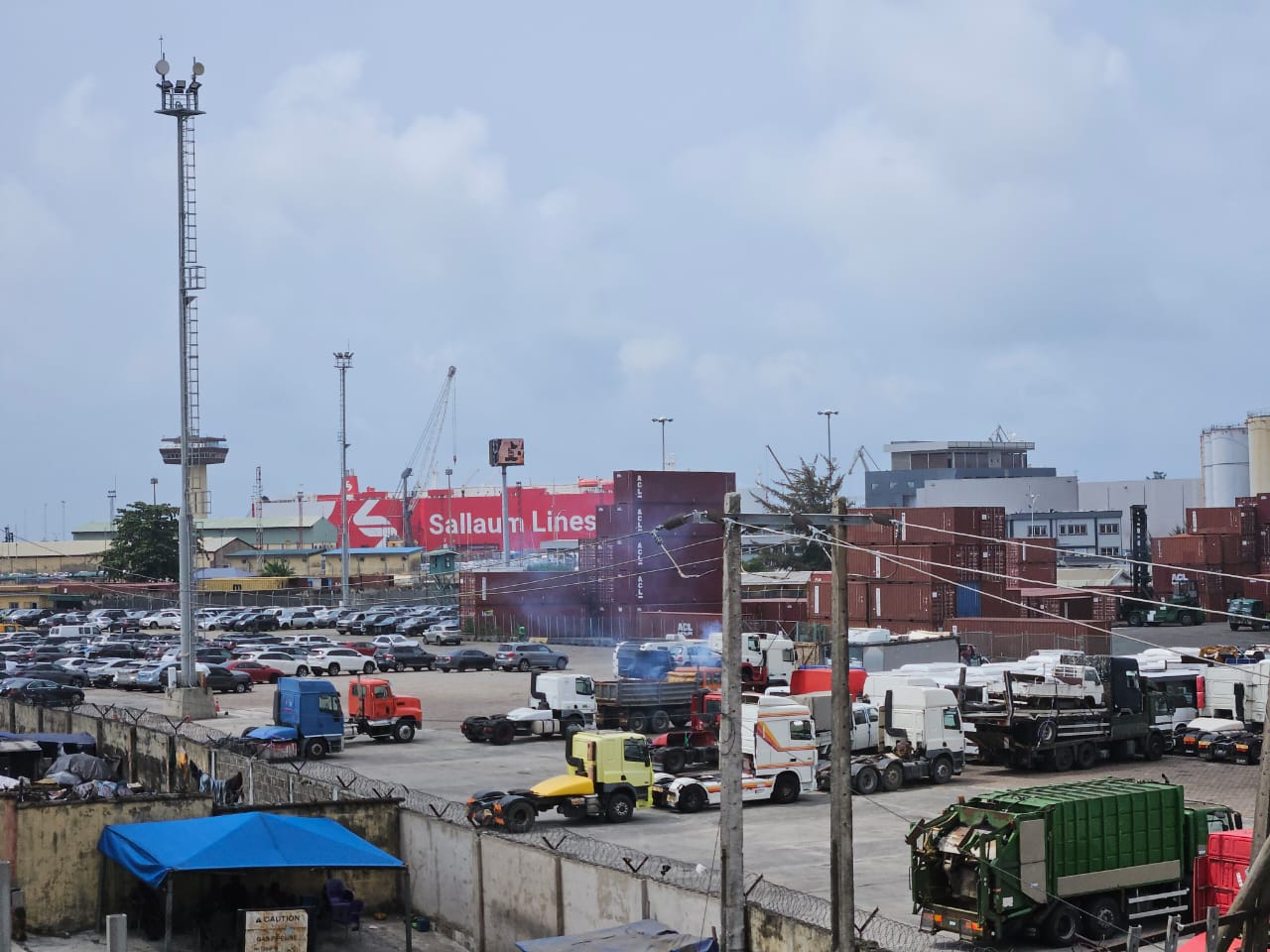
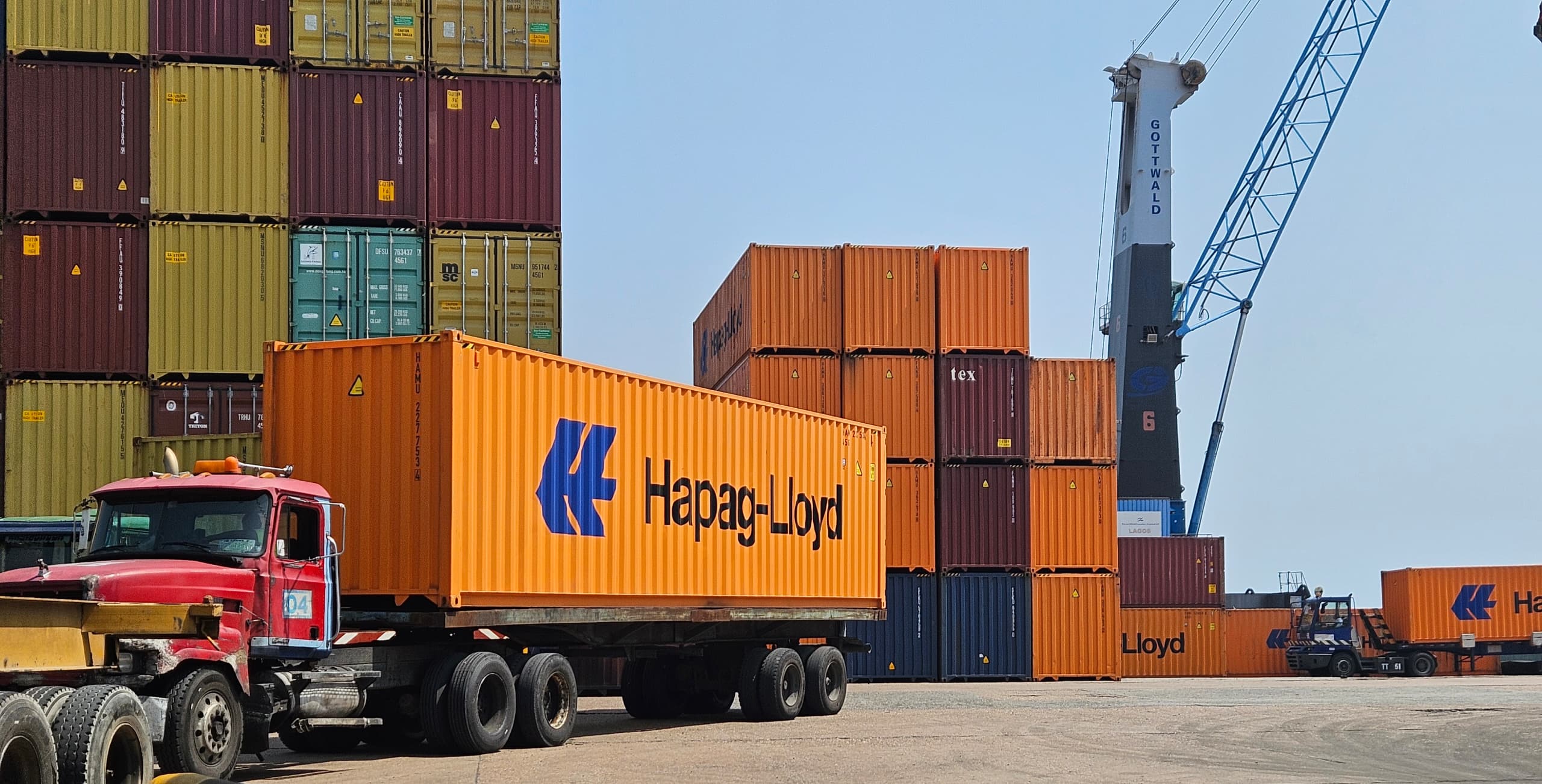

Importers, terminal operators, and logistics stakeholders have raised grave concerns over persistent container blockages at the Lagos ports, a development that is costing traders billions in demurrage and storage charges while undermining efficiency in cargo movement.
The issue was highlighted during a recent industry stakeholders engagement organised by the Nigerian Shippers’ Council in Lagos, where concerns about the integrity of the port clearance process were aired by freight forwarders, truck owners, and clearing agents alike.
What Container Blockage Means
Container blockage refers to a situation where import containers – even after passing through the formal clearance process are detained, delayed, or restricted from leaving the terminal.
This can occur when enforcement bodies such as the Maritime Police Command intervene after Customs and other agencies have already cleared cargo. leading to mounting demurrage charges for importers and logistics operators because containers remain in port yards longer than the free time allowed.
What Stakeholders Are Saying
At the engagement event, participants – including representatives from freight forwarding associations, truck operators, and port service providers – faulted this practice of detaining already-cleared containers. They argued that such interruptions break the sequence of the supply chain, unfairly increasing costs for importers and clearing agents in Nigeria.
Importers pointed out that once cargo has passed thorough examination and formal clearance by the Nigeria Customs Service, there should not be additional barriers to release. Any concerns should be raised at the initial examination stage.
Coordinated Efforts to Resolve the Crisis
The Nigerian Shippers’ Council emphasised its role in engaging security agencies and regulatory authorities to ensure that trade facilitation procedures are not compromised. The Council’s Executive Secretary stressed that while security is essential, it should not come at the expense of operational efficiency.
Officials from the Maritime Police have defended the practice, insisting that some container detentions are based on intelligence operations, especially when there are credible concerns about concealed contraband. However, industry stakeholders maintain that a clearer coordination mechanism among all agencies woul reduce unnecessary delays and financial losses
Conclusion
The ongoing container blockage crisis at Lagos ports underscores the urgent need for improved inter-agency coordination and clear procedures for cargo release after clearance. A more predictable and efficient port ecosystem will benefit importers, logistics partners, and the entire supply chain.
To navigate these challenges – from clearing goods and cargos in Nigeria to securing seamless export and import movements – Clearcargonigeria provides expert guidance, compliance support, and reliable logistics coordination. For personalised planning and to discuss how we can support your shipment strategy, visit our Contact-Us page and let’s help streamline your trade operations.