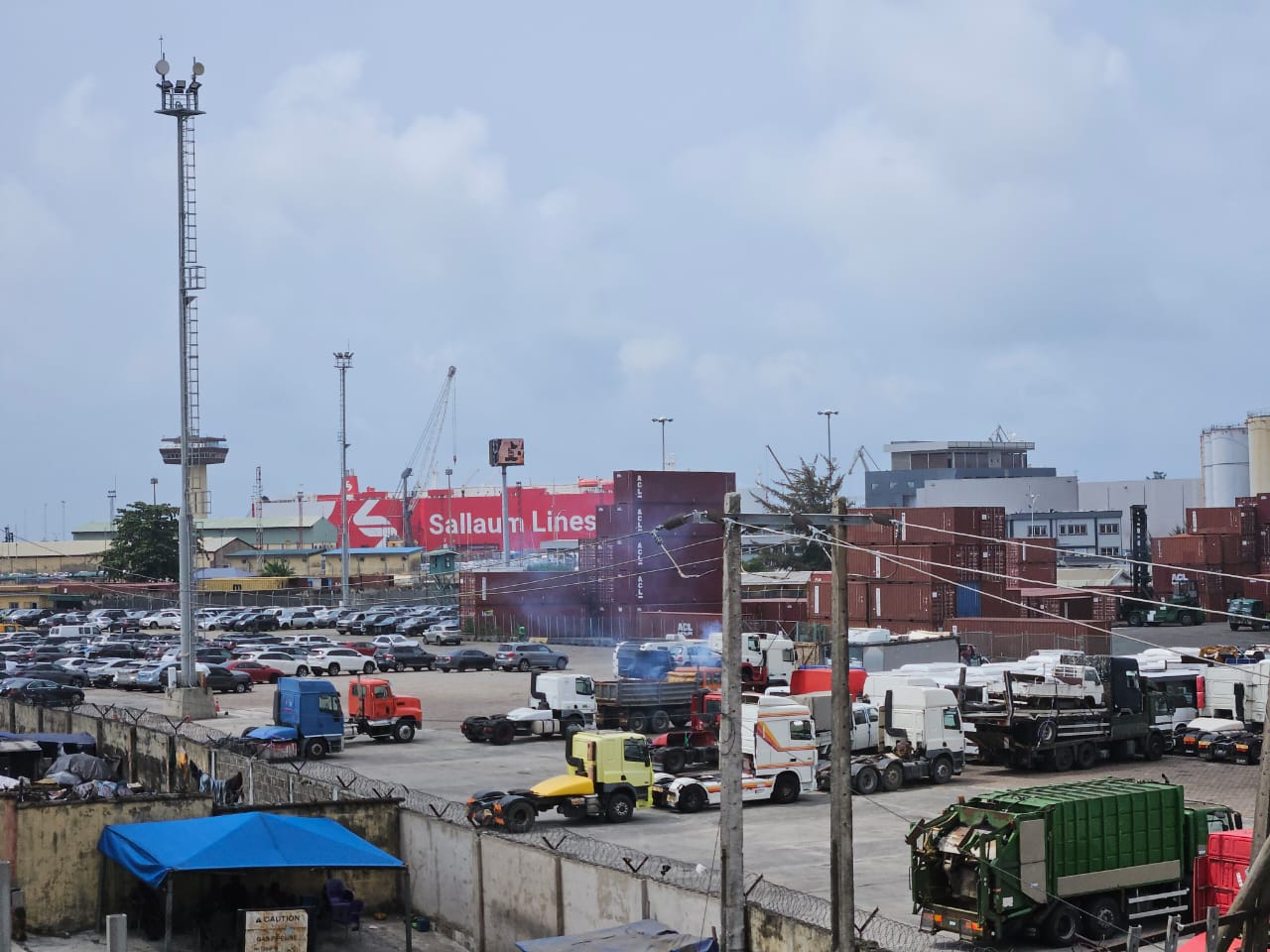
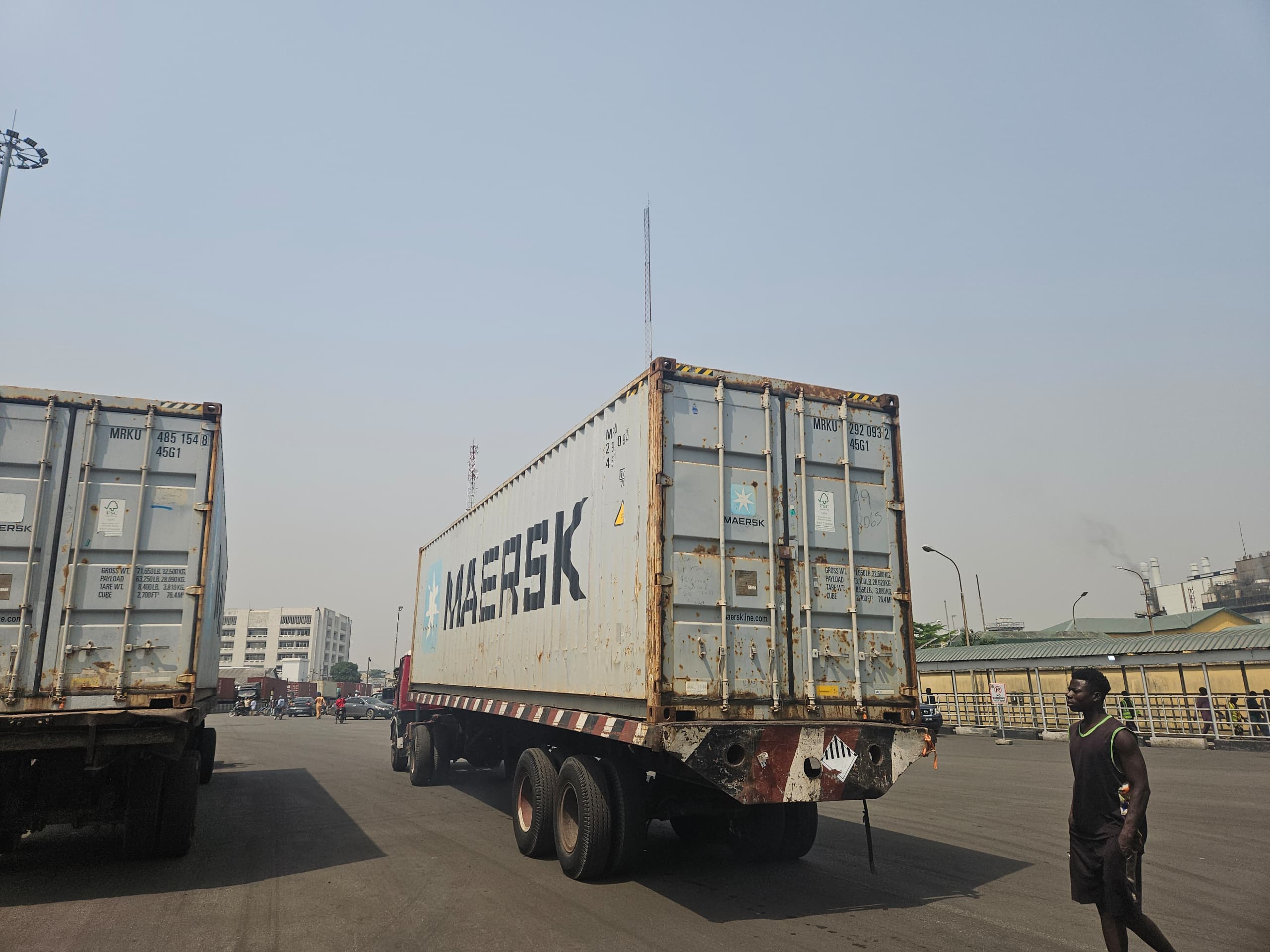

Importers and logistics stakeholders operating around Nigeria’s busiest maritime gateways, Tin Can Island and Apapa seaports in Lagos are enjoying welcome cost relief following a dramatic 65 percent drop in cargo haulage expenses. This decline is easing one of the most persistent logistical burdens for businesses involved in the movement of goods and cargos.
How Haulage Costs Fell Sharply
The reduction in haulage costs is largely thanks to improved traffic coordination and digital reforms, such as the e-Call-Up System operated by the Nigerian Ports Authority in partnership with Truck Transit Parks Limited (TTP). These systems have optimized truck scheduling and port access, significantly reducing delays and congestion that once exacerbated haulage expenses.
Before the reforms, transporting cargo, even after goods were cleared, was costly and unpredictable. For example, haulage to Sango in Ogun State from Apapa Port used to cost around ₦800,000–₦900,000, and movement to Ikeja was routinely ₦650,000–₦750,000. Today, those routes average around ₦250,000–₦330,000, reflecting the dramatic cost relief brought about by better access management and shorter turnaround times.
Shorter waiting times and smoother truck movements mean that haulage charges are no longer driven by congestion and informal costs, but by a more efficient transport ecosystem.
What the Drop Means for Trade and Logistics
This haulage cost reduction benefits the entire supply chain: Importers enjoy lower landed costs, making their products more competitive locally.
Clearing agents in Nigeria and freight forwarding agents in Nigeria can reduce operational costs and offer more competitive services to clients.
Shipping agents in Nigeria and inland logistics providers benefit from improved cash flow and predictable delivery schedules.
Overall, clearing containers in Nigeria and domestic distribution becomes less expensive and more reliable.
By lowering one of the most significant post-clearance expenses, the new haulage landscape contributes to smoother cargo movement, reduced financial strain on importers, and enhanced operational efficiency at Nigeria’s ports.
The Broader Context: Reforms and Ongoing Challenges
While this haulage cost relief is significant, broader reforms are still needed to sustain long-term improvements in Nigeria’s trade environment. Continued harmonization of digital systems such as the National Single Window, stronger coordination between Customs and terminal operators, and further infrastructure enhancements will play a key role in deepening logistics efficiency across ports.
Efforts to strengthen export and import pathways, supported by professional clearing agents, reliable shipping agents, and seasoned freight forwarders in Nigeria, remain central to reducing trade costs and expanding Nigeria’s competitive edge in global markets.
Conclusion
The sharp fall in haulage costs at Lagos ports has delivered much-needed relief to importers and the broader logistics community, signaling progress in addressing long-standing infrastructure challenges. Therefore, businesses preparing to move goods, whether importing, exporting, or coordinating cargo logistics, aligning with trustworthy partners can make all the difference.
If you’re planning to ship your goods efficiently and ensure smooth export or import handling, get personalised support and logistics planning via our Import-Services page today.