
Nigeria Customs Cracks Down on Banks Over Delayed Revenue Remittances – Implications for Trade Sector

The Nigeria Customs Service (NCS) has commenced enforcement actions against designated banks that fail to remit collected Customs revenue within the agreed timelines, a move aimed at reinforcing transparency and strengthening the integrity of government revenue administration. Delayed remittances have been flagged as a breach of the Service Level Agreement (SLA) between Customs and these banks, with the latest measures designed to ensure accountability across the collection value chain.
According to the NCS, the issue came to light after revenue collections processed through its B’odogwu electronic platform were reviewed, revealing that some banks had not transferred funds to the government within the stipulated period. Officials stated that such delays undermine efficiency, transparency, and the overall effectiveness of the country’s revenue system, hence the need for enforcement.
Penalties for Non-Compliance
In a formal statement, the NCS explained that any designated bank that fails to remit collected Customs revenue within the prescribed timeframe will be liable to a penalty. This penalty is calculated at three per cent above the prevailing Nigerian Interbank Offered Rate (NIBOR) for the duration of the delay – a significant deterrent intended to encourage prompt settlement.
Affected banks will receive official notifications outlining the delayed amounts, applicable penalties, and deadlines for settlement, reinforcing the expectations laid out in the SLA. The Customs Service further warned that persistent breaches may attract additional sanctions, including regulatory and administrative measures as prescribed under existing laws.
Implications for Trade and Revenue Systems
Customs revenue constitutes a major part of Nigeria’s non-oil income base, funding critical national development priorities. Delays in remittance not only frustrate revenue goals but also have broader implications for the efficiency of trade processes and budgetary planning. Prompt remittance supports fiscal discipline and contributes to a more predictable economic environment that benefits all stakeholders in the trade ecosystem, including exporters, importers, and logistics operators.
Additionally, the NCS stressed that any payment of collected revenue into unauthorised accounts, whether deliberate or due to error, will be treated as a violation of agreed terms and addressed accordingly. This underscores the importance of robust internal controls and strict adherence to remittance timelines among financial institutions handling Customs collections.
Wider Implications for the Logistics and Trade Sector
For businesses involved in Nigerian imports and exports, efficient governance of customs revenue and compliance mechanisms help foster a stable operating environment. Reliable revenue remittances contribute to the smooth running of government functions that support logistics infrastructure, port operations, and trade facilitation reforms.
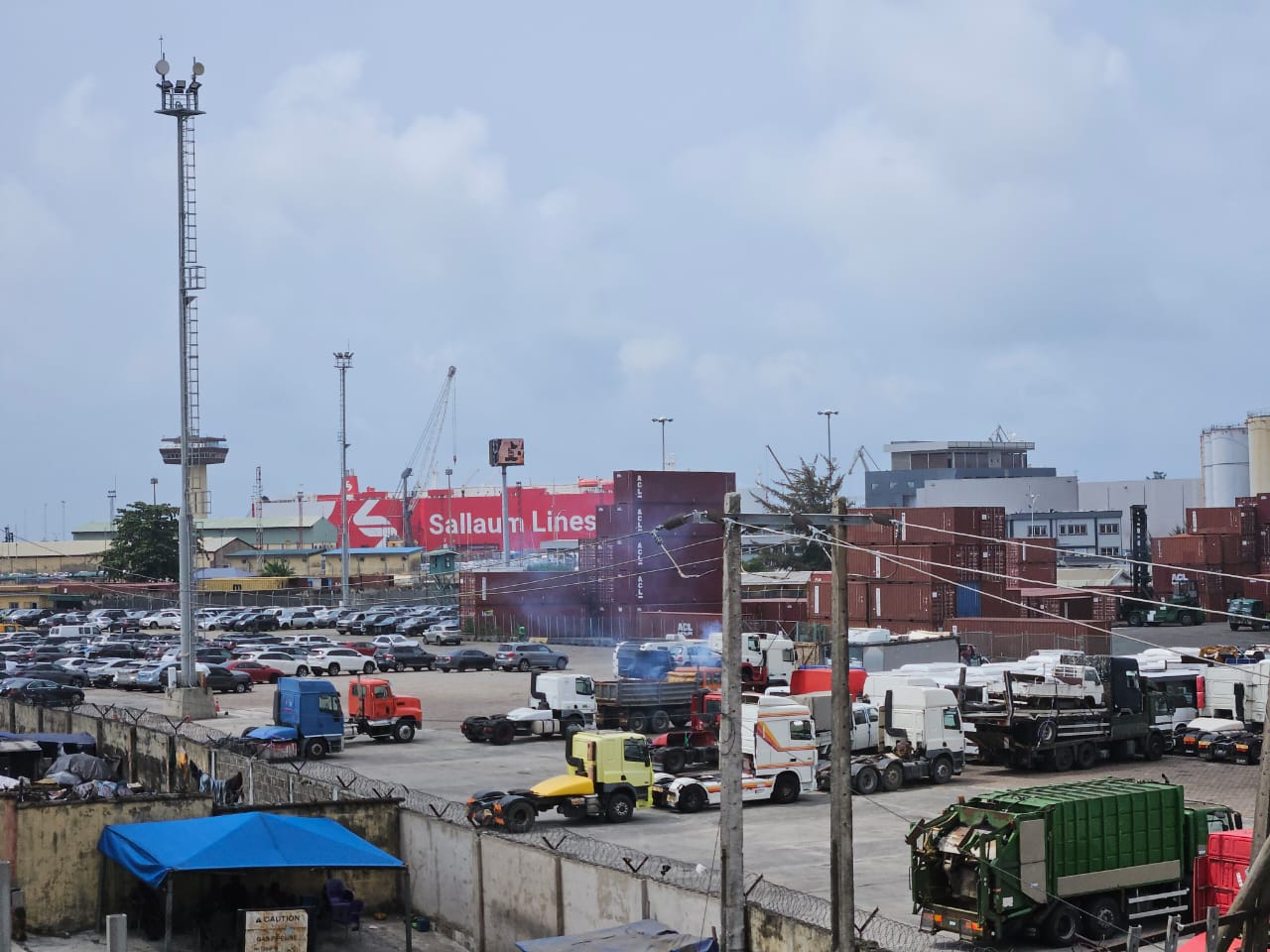
Clearing and freight forwarding agents in Nigeria, facilitating customs clearance of imported and exported goods, items and general cargos in Tincan and Apapa Lagos, all depend on a transparent and accountable revenue system to ensure predictability in duties, excise, and other fees. When revenue systems are well-managed, service delivery improves across the board from customs clearing of goods and cargos in Nigeria to broader logistics coordination.
Conclusion
Customs’ decision to enforce penalties on banks that delay remitting revenue is part of broader efforts to strengthen Nigeria’s trade and revenue architecture. For businesses navigating the complexities of exports, imports, and cargo movements, a transparent system supported by reliable governance enhances confidence and market participation.
If you’re preparing to move your goods – whether exploring shipping goods in Nigeria, exporting agricultural produce, or coordinating logistics across ports – Clearcargonigeria is here to support you with expert guidance and dependable services.
To get started with personalised export and freight planning assistance, request a tailored and transparent shipping estimate via our Quick-Quote page.