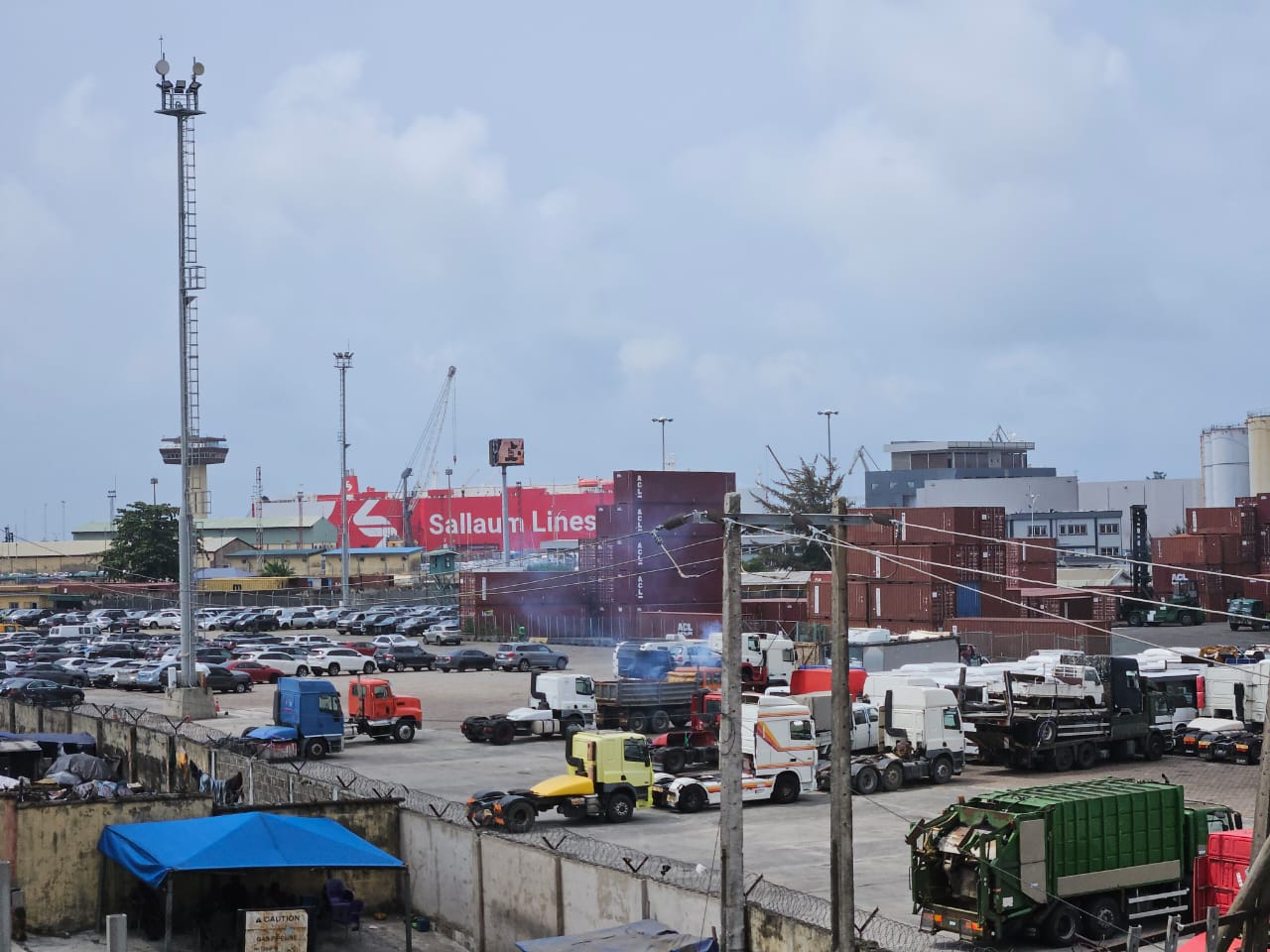

Data from the National Bureau of Statistics (NBS) reveal that Nigeria’s spending on raw material imports rose by 19.7% year-on-year, reaching about ₦3.53 trillion in the first half of 2025 (H1 ’25), up from ₦2.95 trillion in H1 ’24.
What Was Imported and From Where
Major categories of imports included sugar-cane and related products for sugar refining and confectionery; additives for the manufacture of lubricating oils; veneering sheets; hides and skins used for leather products; gypsum for cement; binders and resins for paints.
The countries from which these raw materials were imported include Brazil, the United States, the United Kingdom, France, China, Germany and Tanzania.
Implications for Nigeria’s Industrial Goals
The heavy reliance on imported raw inputs stands in contrast to Nigeria’s longstanding import substitution policy, which aims to replace imports with locally-manufactured goods, conserve foreign exchange, and stimulate job creation.
According to Raw Materials Research and Development Council (RMRDC) Director-General Prof. Nnanyelugo Ike-Muonso, over 70% of manufacturing inputs are still sourced from abroad—an indication of a structural weakness in the manufacturing sector.
Industry stakeholders have cited several constraints: high energy costs, weak infrastructure, fluctuating exchange rates, and limited local processing capacity. These factors make imported inputs sometimes cheaper or more reliable than locally produced ones.
Calls for Action: What Needs to Change
RMRDC has called for a target: reduce dependence on foreign raw-material imports by at least 60% within five years.
The Manufacturers Association of Nigeria (MAN) emphasised that manufacturers are being hindered by high costs and structural challenges, discouraging them from moving ahead with backward integration plans.
The Lagos Chamber of Commerce and Industry (LCCI) remarked that the import substitution strategy has not yet delivered the intended gains because local industries lack the raw materials or technology needed.
What This Means
For Importers, stakeholders and all players involved in the movement and shipping of raw materials to Nigeria, the trend underscores some practical points:
A high import bill for raw materials means increased demand for goods that may later be assembled, processed or cleared.
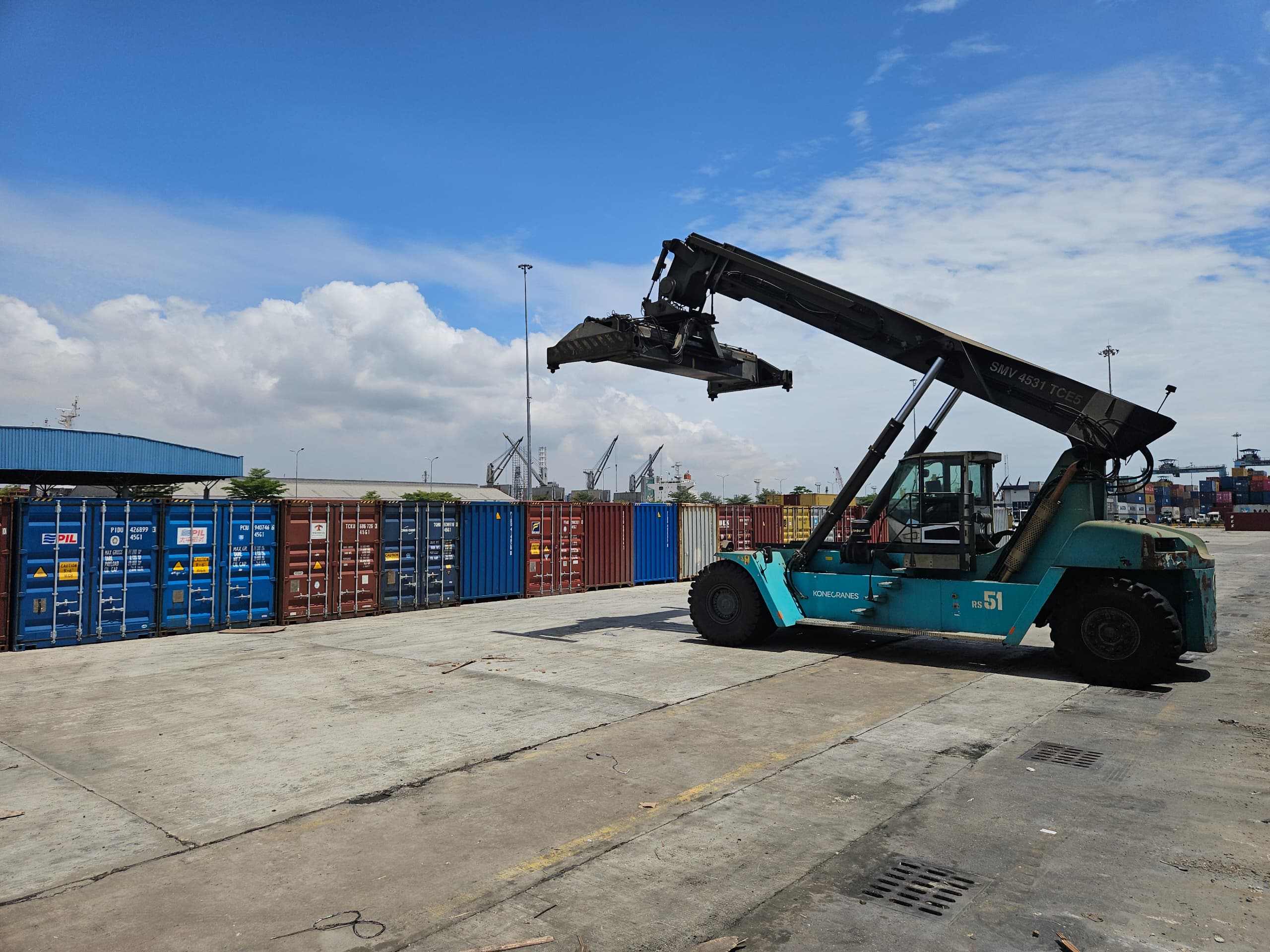
Since local processing is still catching up, many manufacturing inputs will continue to be imported—so understanding the logistics, documentation, and clearance process is more important than ever.
As Nigeria tries to boost local sourcing and incentive frameworks, companies involved in logistics and cargo services in Nigeria will need to adapt to more value-added workflows, compliance scrutiny and enhanced customs clearance procedures.
Conclusion
While Nigeria has made strides in policy formulation around industrialisation and import substitution, the reality of hinging its manufacturing sector on imported raw materials remains a significant challenge. The ₦3.53 trillion spent in H1 2025 highlights the urgency. With coordinated action—better infrastructure, stronger local processing capacity, and robust logistics support—the domestic manufacturing base can aspire to greater independence and sustainability.
At ClearCargoNigeria, we monitor such developments in Nigeria’s trade and logistics landscape. Whether you’re involved in international procurement and sourcing of goods such as raw materials, Shipping, Importation and Customs clearing of goods and cargos in Nigeria, seeking a reliable logistics partner in Nigeria, staying informed about these shifts matters. Visit Our-Services page to learn how our team can support you with smooth customs clearance, efficient freight forwarding, and expert cargo services.