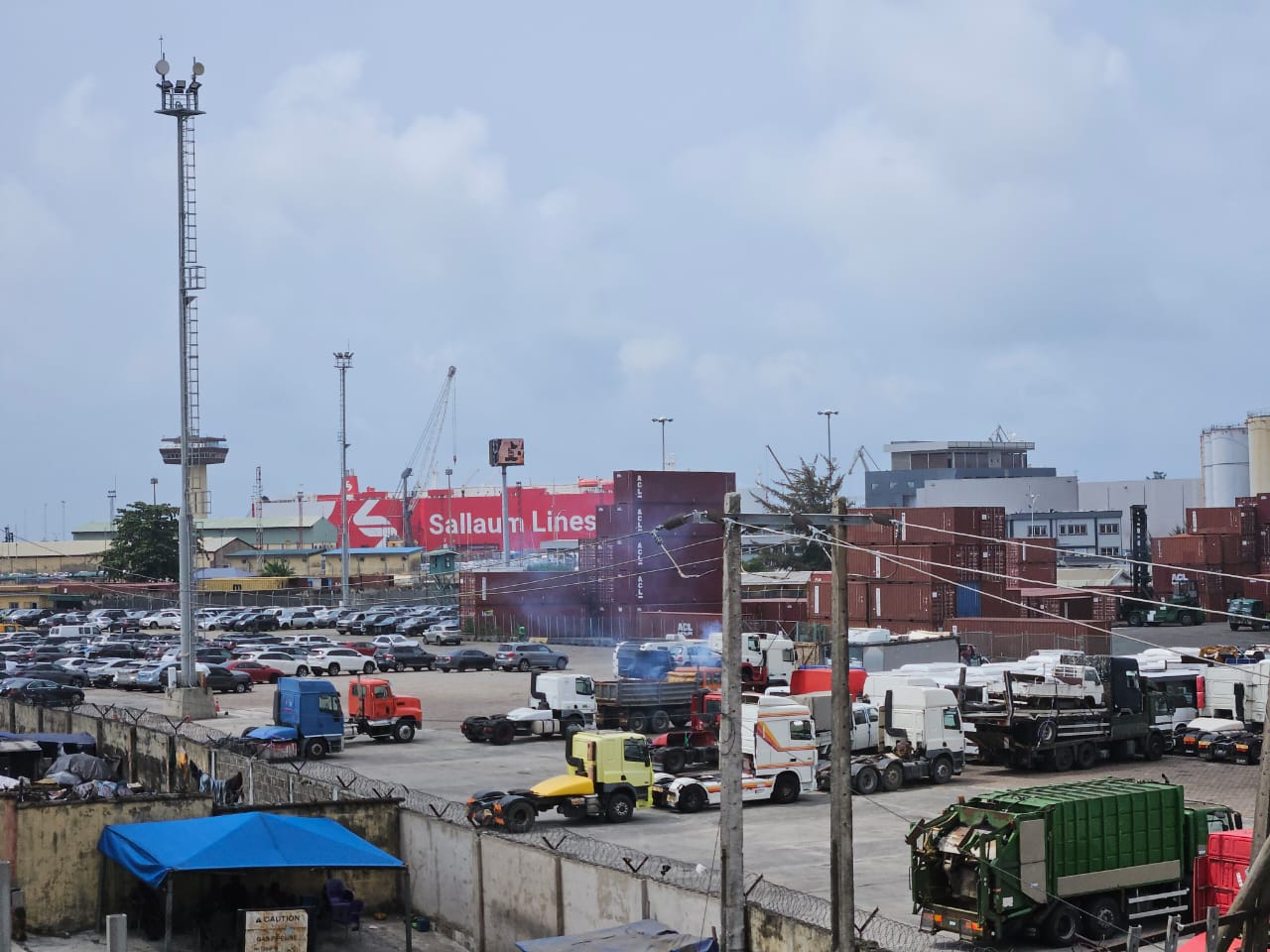
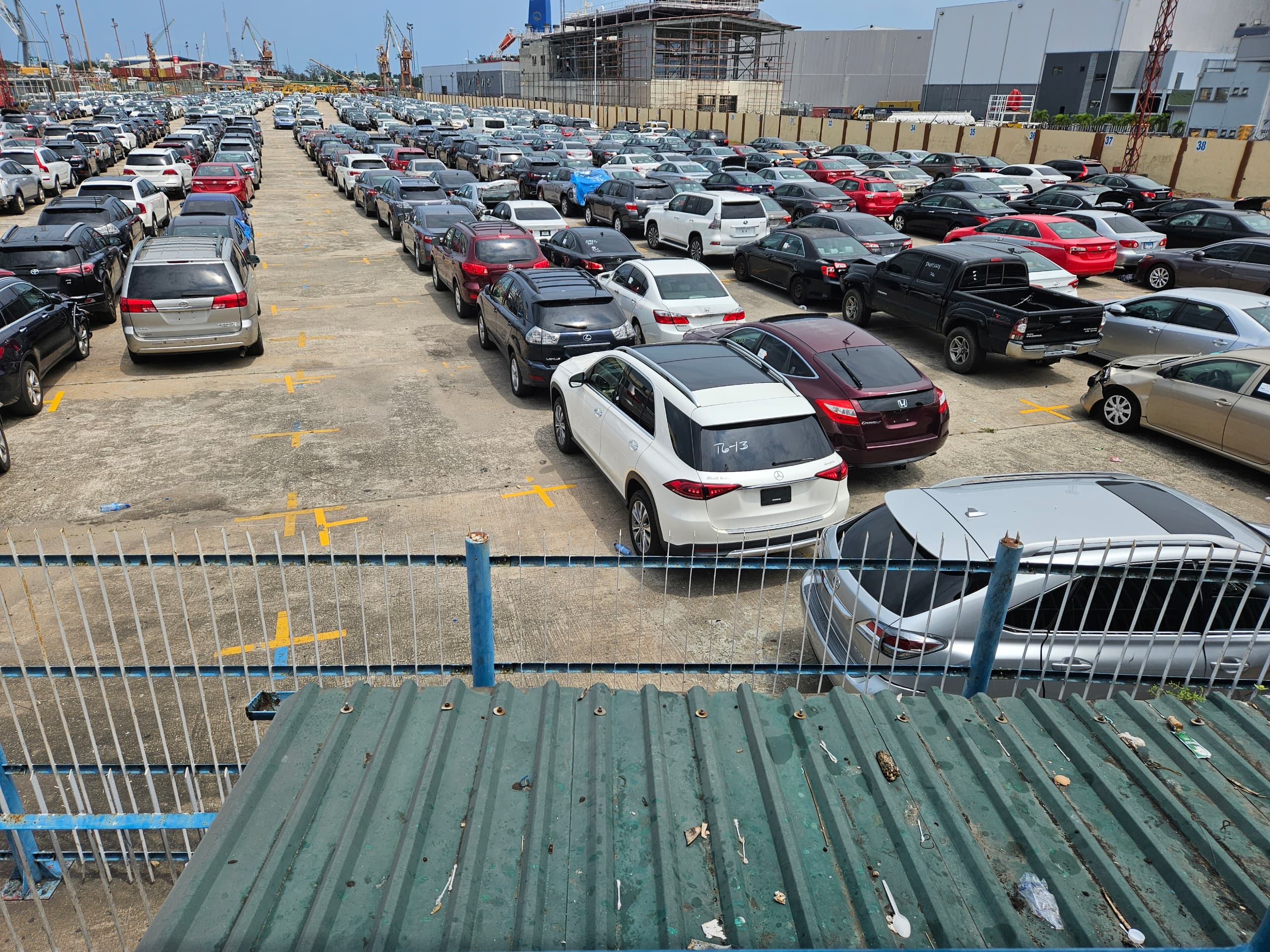

Nigeria’s appetite for imported vehicles remains strong, as new trade data from the U.S. Census Bureau reveals that Nigerians purchased motor vehicles and parts worth $518 million from the United States in the first half of 2025.
Passenger Cars Dominate Imports
Passenger cars accounted for the bulk of imports, valued at $379 million—representing about 73% of the total. Vehicle parts followed with $104 million, while trucks, buses, and special-purpose vehicles made up $35 million.
The figures underline Nigeria’s reliance on fully built vehicles rather than locally assembled alternatives, reflecting both consumer preference and limited domestic production capacity.
Import Trend Over the Months
The second quarter of 2025 saw steady inflows, with $95 million worth of vehicles imported in May and $92 million in June. Passenger car imports dipped slightly from $70 million to $67 million, while vehicle parts also fell marginally from $19 million to $18 million. Trucks and buses recorded a minor drop from $7 million to $6 million.
At the current pace—an average of $86 million monthly—Nigeria’s vehicle imports could cross the $1 billion mark by the end of the year.
South Africa vs. Nigeria: A Contrast in Approach
In comparison, South Africa imported slightly more—$525 million—within the same period. However, its imports leaned heavily toward vehicle parts (82%), while Nigeria’s trade was dominated by finished cars. This contrast highlights South Africa’s stronger local auto assembly industry, whereas Nigeria continues to depend largely on direct imports.
Implications for Importers and the Logistics Sector
The data signals important lessons for car dealers, vehicle end user importers and all players involved in vehicle importation and customs clearance in Nigeria. With rising demand, port activity in Lagos and other entry points will remain busy, requiring efficiency from freight forwarding agents professionals who handle the complex paperwork and customs processes.
For importers, delays or non-compliance can be costly. This makes it vital to work with reliable clearing and forwarding agents who understand Nigeria’s regulatory landscape and can ensure that vehicles move seamlessly from port to customer. The trend also creates opportunities for shipping agents in Nigeria and logistics providers offering global cargo solutions tailored to the automotive sector.
Nigeria’s vehicle import bill tells a story of rising demand but also of the need for stronger local assembly capacity. Until that gap is bridged, international trade in cars, parts, and trucks will remain a major feature of Nigeria’s economy.
For individuals or businesses planning to import vehicles, professional guidance is essential. To learn more about how to clear roro cars or containerized vehicles and understand vehicle shipments in Nigeria, visit our page on Basics of clearing cars in Nigeria