RoRo vs Container Shipping: The Strategic Decision That Determines Your Total Landing Cost

In international vehicle shipping, most importers focus on the purchase price. Some focus on freight. Very few focus on the mode of shipment, yet that single decision can quietly determine your total landing cost, customs experience, and even how smoothly your cargo is cleared at the port.
From handling vehicle imports across different shipment structures, one pattern is clear: The wrong shipping mode doesn’t just increase cost, it increases complications. Understanding the difference between RoRo shipping and containerized shipment is not just helpful. It is strategic.
What Is RoRo Shipping?
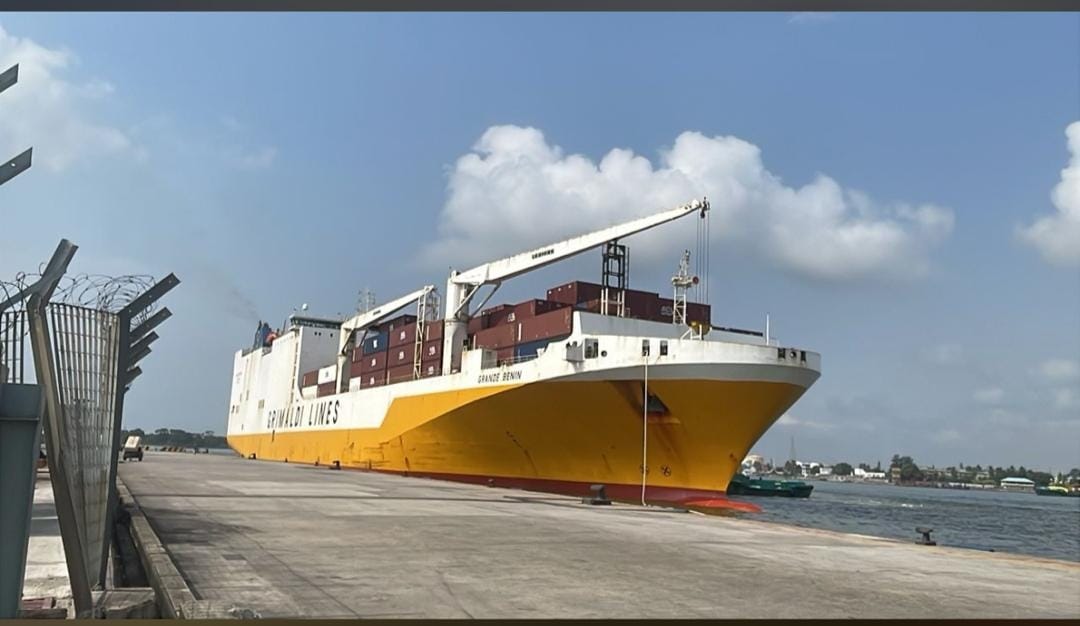
RoRo (Roll-On/Roll-Off) shipping is designed specifically for wheeled cargo such as cars, buses, trucks, and heavy equipment. The vehicle is driven directly onto the vessel at the port of loading and driven off at the destination port. There is no container involved.
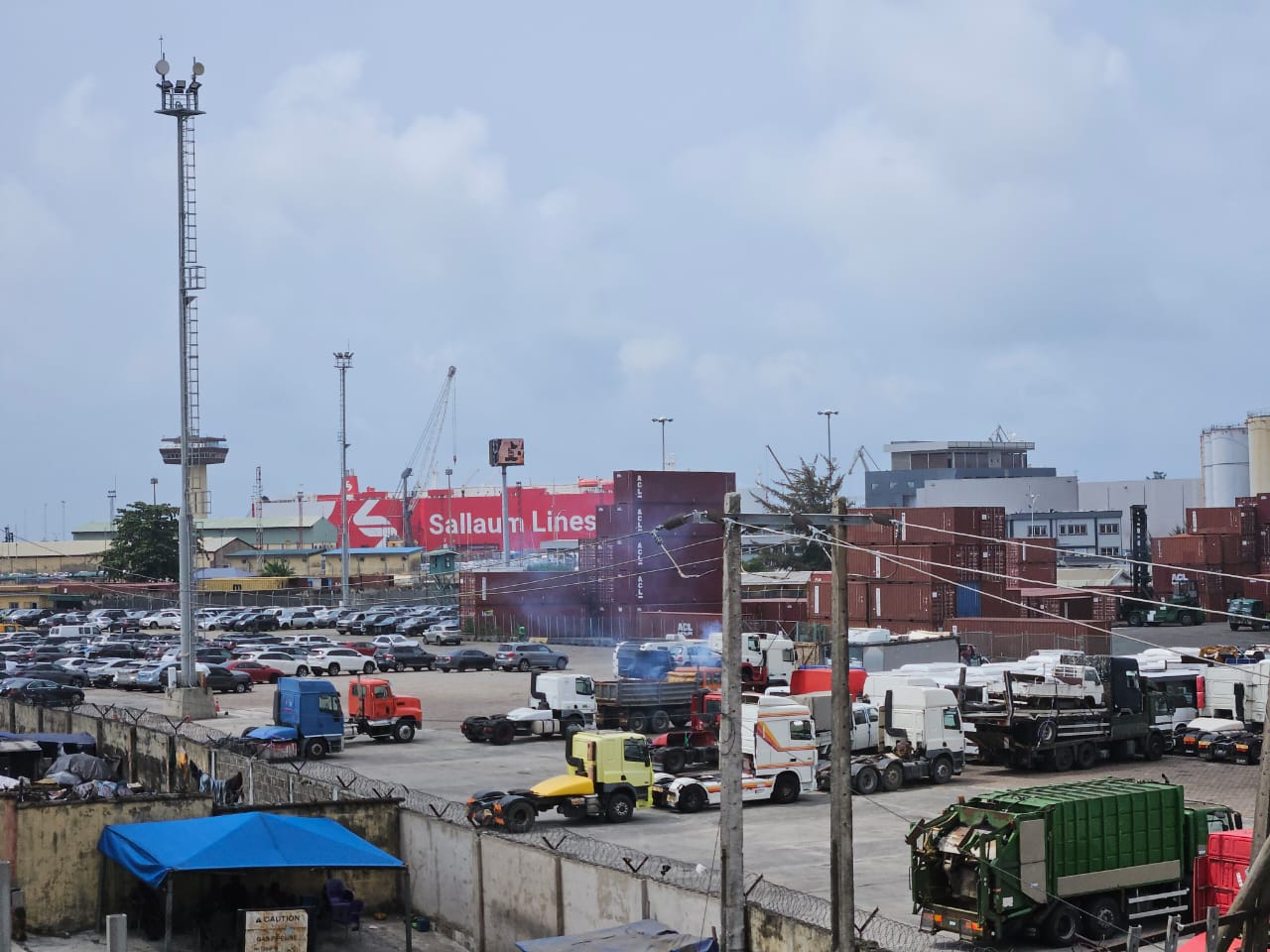
Two of the most common RoRo shipping lines servicing Nigerian ports are:
–Grimaldi Lines
–Sallaum Lines
These carriers dominate the vehicle RoRo route into Lagos and other Nigerian entry points.
Why RoRo Is Often More Cost-Effective: From operational and clearing experience, RoRo is generally the most economical shipping option for vehicles when available.
Here’s why:
1. No Container Freight or Rental Charges : Container shipping introduces
– Container booking fees
– Container freight costs.
– Possible container deposit exposure
– Detention and demurrage risks
RoRo eliminates these layers entirely.
2. Reduced Handling Complexity:
Vehicles are simply driven on and off the vessel. There is no stuffing, no container repositioning, and no return logistics.
3. Predictable Cost Structure :
RoRo typically offers clearer and more stable cost planning compared to container shipments where hidden variables can arise.
For single-unit vehicle imports, RoRo is usually the best cost-saving option, provided it is accessible from the port of loading.
So Why Do Some Importers Still Use Containerized Shipment?
This is where real-world logistics becomes more nuanced. Accessibility of RoRo from Port of Loading. Not every country or port has direct RoRo vessel calls. If Grimaldi Lines or Sallaum Lines do not operate from your shipping origin, accessing RoRo may require inland transport or transshipment, which can eliminate the cost advantage.
In such cases, containerized shipment becomes the practical option, even if RoRo would have been cheaper in theory. Availability influences decision.
The Structural Advantage of Containerized Vehicle Shipments
Containerized shipments offer something RoRo does not: Centralized control under a single Bill of Lading. When multiple vehicles are loaded into one container and consigned under one Bill of Lading number:
– The shipper can nominate one clearing agent.
– All units are cleared collectively.
– Documentation is unified.
– Delays caused by conflicting representation are avoided.
From experience handling multi-vehicle consignments, one of the most common challenges occurs when different buyers inside one container attempt to appoint separate clearing agents.
It creates: Documentation disputes
– Terminal release delays
– Confusion at examination stage
When all vehicles fall under one Bill of Lading, customs clearance must be treated as a unified consignment. Appointing one clearing agent ensures structure and efficiency. Container shipping may cost more upfront, but it offers coordination advantages for consolidated shipments.
Why Mode of Shipment Must Be Stated When Requesting a Clearing Quotation
One of the most frequent mistakes importers make is requesting a customs clearing quotation without stating:
– Is the shipment RoRo or containerized?
– If containerized, how many vehicles are inside?
– Is it Full Container Load (FCL)?
– Is it under one Bill of Lading?
These factors directly affect:
– Terminal handling charges
– Documentation procedure
– Container-related fees
– Examination process
– Risk exposure
Without clarity, quotations can be incomplete, leading to misunderstandings later. Shipping mode determines clearing structure: Clearing structure determines cost predictability.
RoRo vs Container: A Strategic Comparison – RoRo Shipping
– Generally lower freight cost
– Ideal for single vehicles
– Simple discharge process
– Dependent on vessel availability from port of loading
Containerized Shipment
– Higher freight cost
– Ideal for multiple vehicles or consolidated cargo
– Allows unified clearing under one Bill of Lading
– Available from most global ports
The best choice depends on route accessibility, cargo volume, documentation structure, and clearance strategy.
Final Insight: Shipping Strategy Must Align With Clearing Strategy
Shipping and customs clearance are not separate conversations. They are two parts of the same transaction. Choosing the right mode of shipment reduces:
– Total landing cost
– Operational friction
– Documentation conflict
– Port delays
Before booking freight, align your shipping plan with your clearing structure. If you would like to explore the operational differences in more detail, visit our RoRo-Shipping Services section or our Containerized-Shipping Services page for a deeper breakdown of processes and what to expect at Nigerian ports. Understanding your shipment mode before you ship is not optional, it is essential.