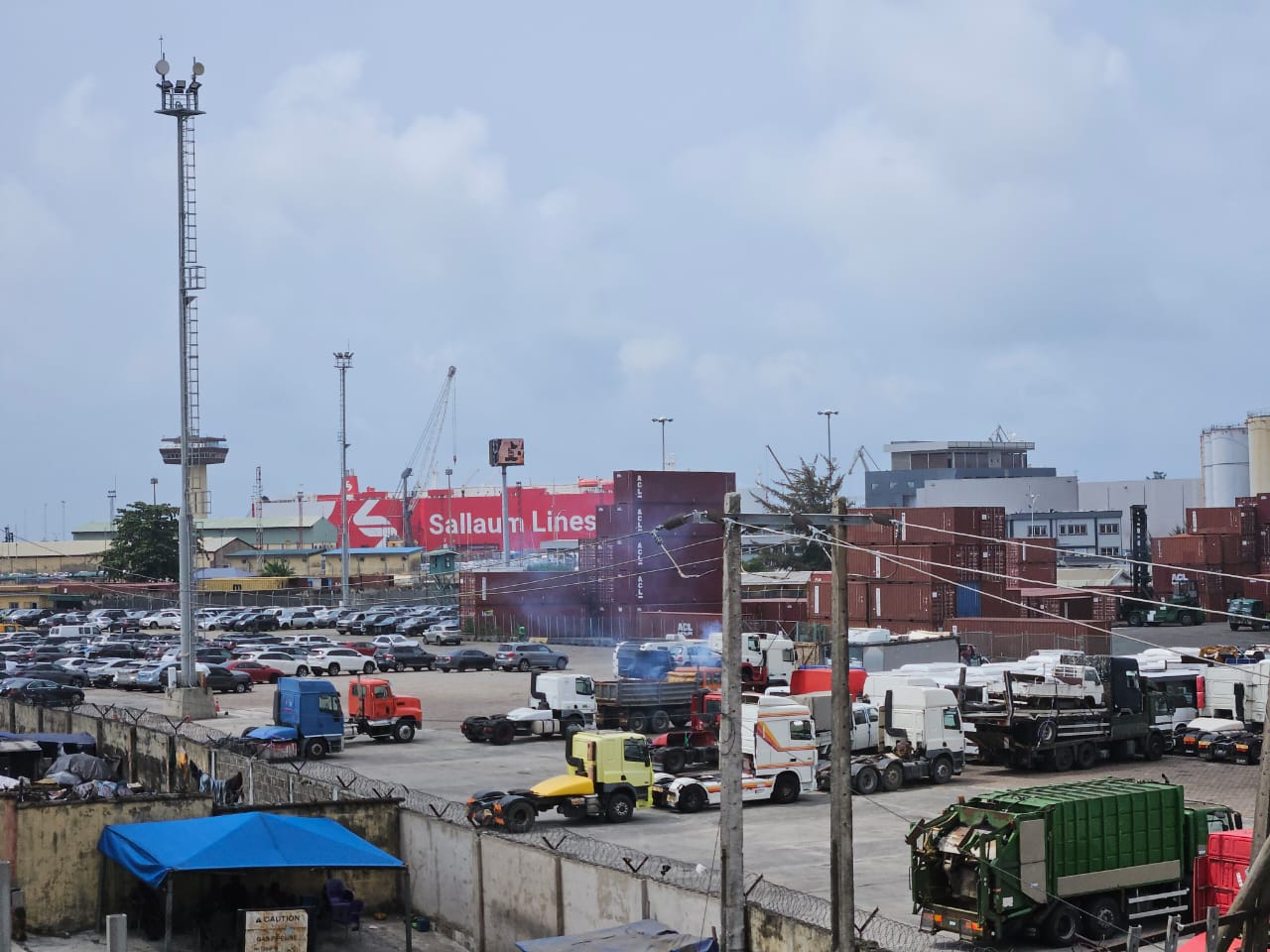

Officials from the United States Coast Guard recently paid a working visit to Tin-Can Island Port in Lagos to evaluate Nigeria’s compliance with the International Ship and Port Facility Security (ISPS) Code. The visit forms part of routine international maritime security assessments aimed at ensuring that ports handling U.S. bound cargo meet global safety and security standards.
Why the Visit Matters
Tin-Can Island Port is one of Nigeria’s busiest gateways for containerised cargo, vehicles, and bulk imports. Any review connected to ISPS compliance carries significant weight because it directly impacts how Nigerian exports and imports are treated internationally, particularly shipments destined for the United States.
The ISPS Code, developed under the International Maritime Organization (IMO), sets out measures to enhance port and vessel security. Compliance helps prevent security threats, smuggling risks, and unlawful interference within port environments.
Focus Areas of the Assessment
During such visits, inspectors typically examine:
– Port facility security infrastructure
– Access control systems
– Surveillance and monitoring procedures
– Cargo screening protocols
– Emergency response readiness
The objective is not only to verify compliance but also to strengthen cooperation between international maritime authorities and Nigerian port stakeholders.
Implications for Shipping and Cargo Operations
For importers, exporters, and logistics operators, strong ISPS compliance reinforces confidence in Nigeria’s port system. It helps:
– Reduce the likelihood of additional scrutiny on U.S.-bound shipments
– Maintain Nigeria’s standing in global maritime trade
– Prevent disruptions that could arise from security concerns
Ports that maintain international security standards are better positioned to handle increased cargo volumes efficiently.
Compliance Beyond Documentation
Security compliance is as critical as Customs documentation in international trade. While importers focus on declarations, valuation, and duties, port security standards determine whether vessels and cargo are cleared for international movement without restrictions. Shipping goods internationally, or exporting to the U.S., maintaining full compliance across documentation and security processes is essential.
Strengthening Nigeria’s Maritime Reputation
The U.S. Coast Guard’s visit underscores the importance of continuous improvement within Nigeria’s maritime sector. Regular assessments and collaboration with international partners contribute to safer ports, smoother trade flows, and improved investor confidence.
As Nigeria deepens its role in global shipping networks, adherence to international security frameworks like the ISPS Code remains fundamental to sustaining trade growth.
Security Compliance Is a Trade Advantage
The visit by the United States Coast Guard to Tin-Can Island Port highlights the growing importance of international security standards in today’s global shipping environment.
Beyond inspections, such engagements reinforce Nigeria’s commitment to maintaining credible, secure, and internationally recognised port operations. For importers, exporters, and logistics stakeholders, this serves as a reminder that successful trade is built not only on accurate documentation and duty payments, but also on strict adherence to global maritime security frameworks.
As regulatory oversight continues to strengthen across Nigerian ports, businesses must prioritise compliance at every stage of shipment from proper declarations to secure cargo handling. For professional guidance on compliant cargo processing, documentation requirements, and export procedures, explore our Export-Services or visit our Contact-Us page to speak with a licensed clearing expert.