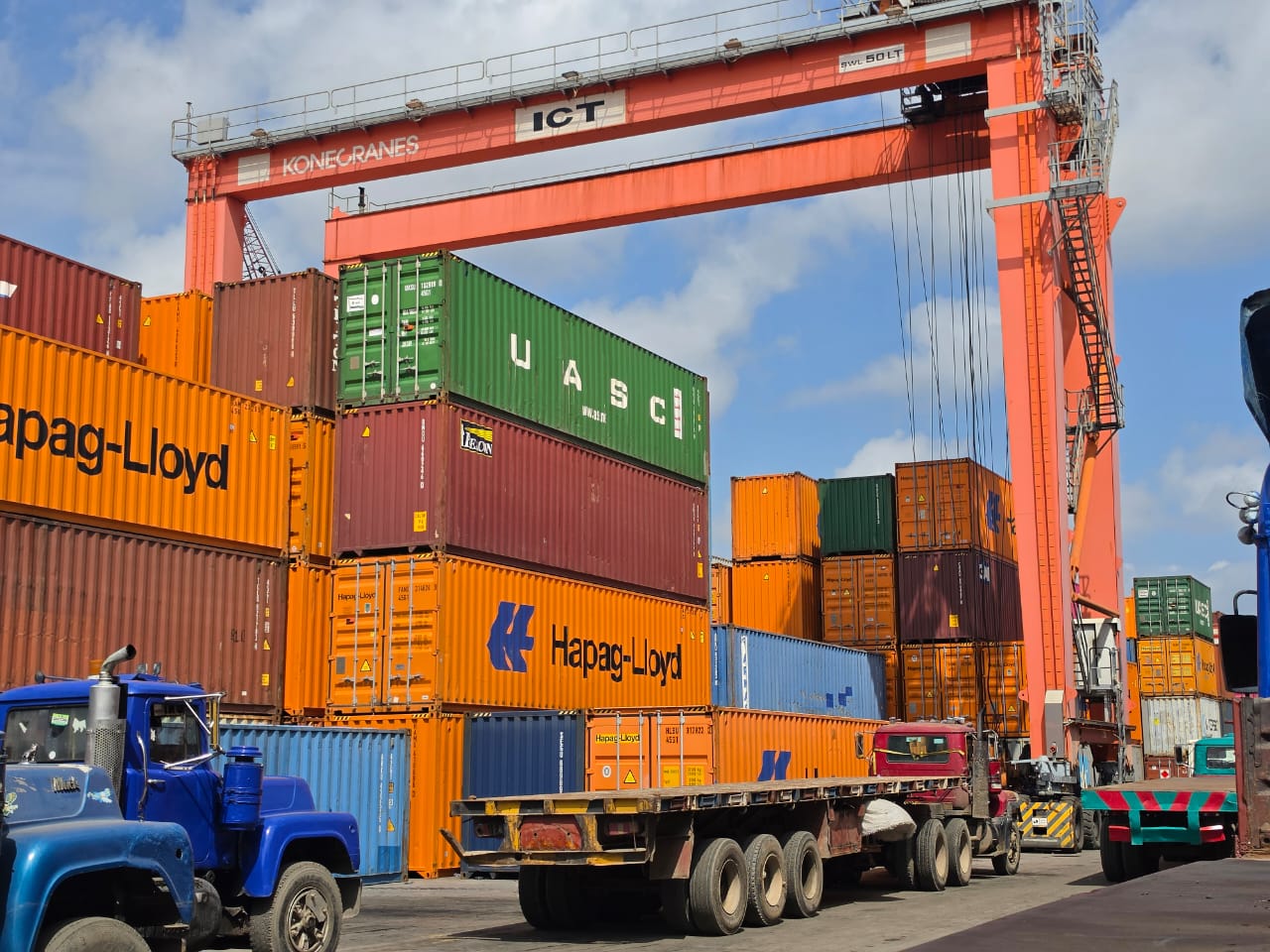
For many importers, customs clearance is often seen as the final hurdle before taking delivery of their cargo. In reality, one of the biggest challenges begins after clearance – the movement of cargo out of the port. Haulage remains one of the most unpredictable aspects of cargo services in Nigeria, particularly around Lagos ports where trucks compete daily for access to terminals.
Even after Customs has completed its examination and release procedures, cargo movement can still be delayed by factors beyond the control of the importer or the clearing agent.
The slow passage or movement allows congestion, delay cargo movement, increased demurrage risks and charges, increments and volatility of haulage and logistics charges etc. Haulage charges are one of the most volatile charges in the logistics chain of shipment and cargo forwarding and distribution. It is determined by port operational conditions at the time of need, when there’s congestion- the Cost skyrockets and out of estimates. Other times it can also stabilize. Understanding how haulage affects the supply chain can help businesses plan more effectively and reduce avoidable logistics costs.
Why Haulage Has Become a Major Challenge
Cargo evacuation depends heavily on the availability and movement of trucks within port and terminal corridors.
This challenge is particularly significant for containerized shipments, where trucks are required to move containers from the terminal to the consignee’s warehouse and later return the empty container to the designated shipping line depot within the stipulated period.
By contrast, RORO (Roll-on/Roll-off) shipments are generally less affected by these haulage-related bottlenecks, as vehicles are driven directly off the vessel and do not involve container evacuation or container return obligations.
Unfortunately, truck movement around many port corridors is frequently slowed by congestion, operational bottlenecks, traffic restrictions, and terminal queues. These delays affect the entire logistics chain and can significantly extend cargo delivery timelines.
The Domino Effect of Port Congestion
When truck movement slows, the consequences extend far beyond transportation—especially for containerized cargo. Some of the common effects include:
– Delayed evacuation of containers after customs clearance.
– Increased exposure to terminal storage and demurrage charges.
– Delays in returning empty containers to shipping line depots.
– Higher risk of exhausting container deposit periods, resulting in additional charges.
– Disruptions to warehouse and distribution schedules.
– Increased overall logistics and haulage costs.
For RORO shipments, many of these risks are significantly reduced because there is no container return process, making cargo evacuation generally simpler and more predictable.
Final Insight
Haulage remains one of the most critical and often underestimated components of Nigeria’s logistics chain. While every shipment requires proper planning, containerized cargo is considerably more vulnerable to congestion, truck shortages, and fluctuating haulage costs than RORO shipments.