China’s decision to grant zero-tariff treatment to products from Nigeria and other African countries has opened a significant new opportunity for Nigerian exporters.
The policy officially took effect on May 1, 2026, giving eligible Nigerian products broader access to the Chinese market without the usual import tariffs. Recent trade figures suggest that the opportunity is already beginning to produce results, with Chinese imports from Nigeria reportedly reaching about $2.25 billion in the first half of 2026, representing an 81% increase from the same period last year.
But according to the Federal Government, the bigger question is not simply how much Nigeria can export, but what Nigeria exports and how competitive those products are.
From Raw Commodities to Value-Added Exports
Nigeria has significant agricultural and natural resources, but a large portion of its exports remain in raw or minimally processed form. The government is now encouraging exporters to take greater advantage of the Chinese market by increasing local processing and supplying products that meet international quality and market requirements.
Potential products highlighted include:
– Processed cassava derivatives
– Premium rice
– Spices and hibiscus
– Cashew products
– Soybean products
– Fruits and vegetables
– Processed agricultural commodities
The objective is to move beyond simply exporting larger quantities of raw materials and instead develop products with greater commercial value.
Zero Tariffs Alone Are Not Enough
The removal of tariffs reduces one barrier to entering the Chinese market, but it does not remove the other requirements associated with international trade. Nigerian exporters still need to consider product quality, certification, traceability, packaging, storage, logistics and applicable sanitary and phytosanitary requirements.
China has also introduced trade-facilitation measures, including improved “Green Channel” arrangements for African agricultural and food products. This means Nigerian businesses must be prepared not only to produce for export, but to consistently meet the standards expected by international buyers.
The Logistics Behind the Opportunity
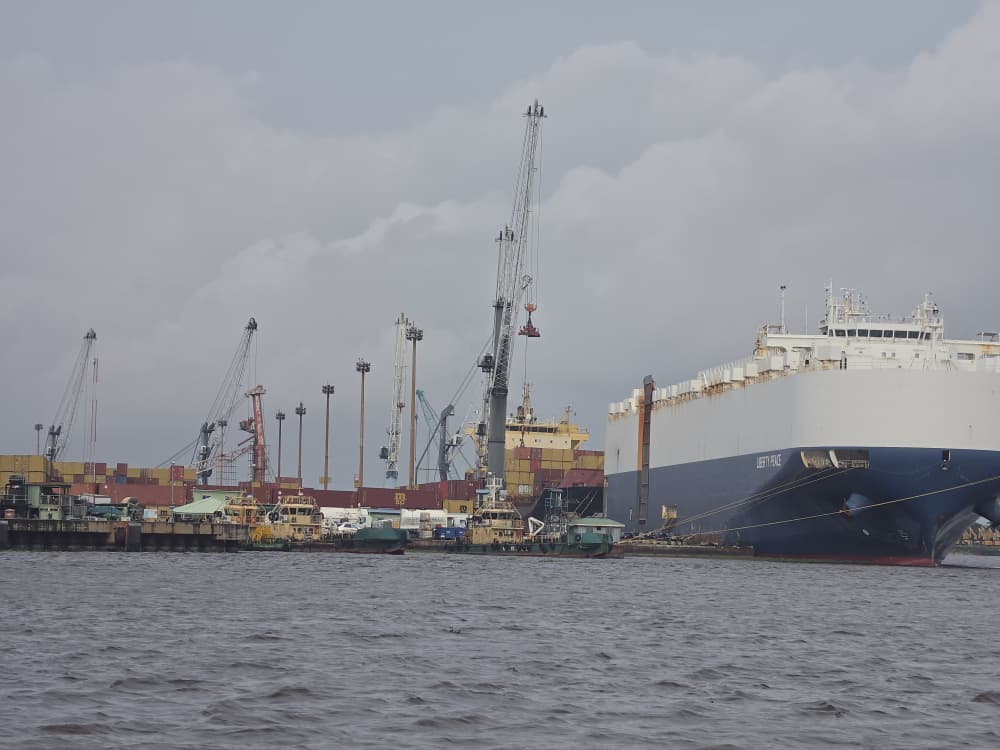
For agricultural producers and businesses looking to participate in Nigerian exports, efficient logistics will be critical. Moving goods from farms, processing facilities or warehouses to the port requires proper coordination of documentation, customs export procedures, cargo handling and international shipping.
A zero-tariff opportunity becomes commercially meaningful only when the exporter can deliver the right product, in the right condition, with the right documentation and at a competitive overall cost.
A New Opportunity for Nigerian Exporters
China’s zero-tariff policy provides Nigerian businesses with an important opportunity to expand beyond traditional export markets and strengthen participation in global trade.
However, the long-term benefit will depend on Nigeria’s ability to improve production, processing, quality assurance and logistics. The opportunity is therefore bigger than simply exporting more. It is about exporting better, adding more value locally and building Nigerian products that can compete consistently in the international market.
Conclusion
For businesses considering the export of agricultural produce, processed goods or other commodities from Nigeria, proper preparation is essential before cargo leaves the country. Clearcargonigeria Limited supports exporters with customs export compliance and the logistics coordination required to move cargo from warehouse to port and onward to international destinations.
Reference: This article was prepared from recent reporting by Punch Newspapers on the Federal Government’s position regarding China’s zero-tariff policy, alongside information from Nigerian and Chinese government sources.