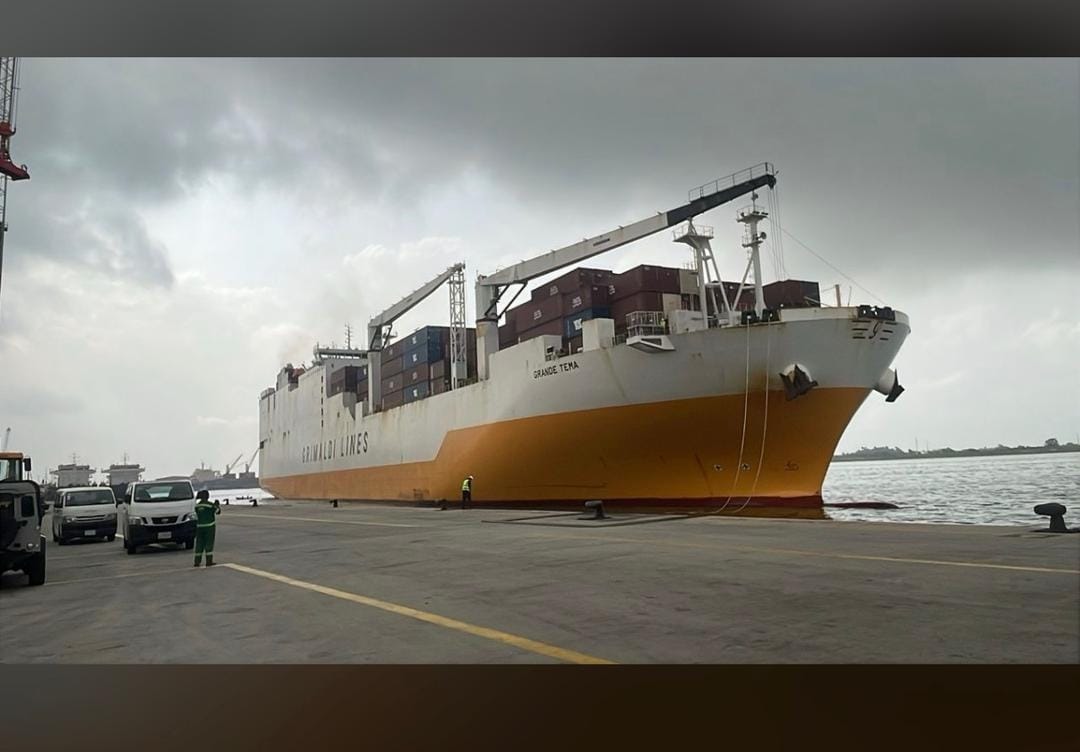
The Federal Government has directed the suspension of newly introduced shipping tariffs, following concerns raised by key players within Nigeria’s maritime sector. Through the Nigerian Shippers’ Council, shipping companies have been advised to maintain existing charges while consultations continue with stakeholders. This move is aimed at ensuring fairness and preventing disruption across the import and logistics value chain.
Why the Suspension Matters
The proposed tariff adjustments had already triggered reactions from freight forwarders and clearing agents, who expressed concerns over rising operational costs. Shipping charges play a direct role in determining the total landing cost of cargo, and any increase, especially in a challenging economic environment which can significantly affect importers and businesses. By stepping in, the government has created a window for dialogue and review.
What This Means for Importers
- For businesses involved in imports and exports in Nigeria, the suspension offers short-term stability:
No immediate increase in shipping charges
Better cost predictability for pending shipments
Time to plan before any final decision is made
However, it is important to note that this is a temporary measure. Final outcomes will depend on ongoing stakeholder engagements.
The Bigger Picture
- Shipping tariffs are a critical part of the logistics chain. They influence:
Freight costs
Cargo clearance expenses
Market pricing of imported goods
For those involved in shipping goods and cargos in Nigeria and clearing vehicles in Nigeria, even minor adjustments can have a ripple effect across operations. This is why stakeholder engagement is essential to balance industry sustainability with business realities.
Final Insight
The suspension highlights how dynamic shipping costs can be and why importers must stay informed. As discussions continue, businesses are advised to plan strategically and work with experienced professionals to navigate any changes in shipping and clearing costs. While the pause on new tariffs brings temporary relief, it also presents an opportunity for a more balanced approach to shipping charges in Nigeria.