For decades, the standard playbook for a general cargo importer in Nigeria involved a familiar, stressful sequence: ship your containers, brace for weeks of gridlock at Apapa or Tin Can, watch demurrage fees eat your margins, and pray your cargo clears without a hitch. But the economic landscape of Lagos has shifted eastward.
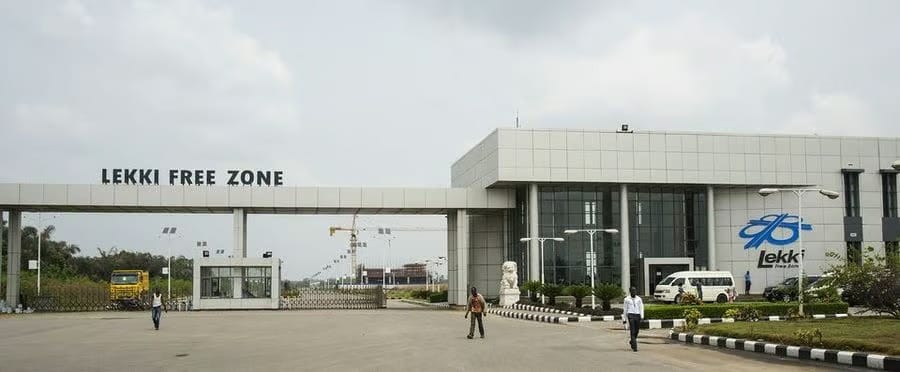
The rise of the Lekki Free Trade Zone (LFTZ) and the fully automated Lekki Deep Sea Port has introduced a fast, tax-efficient alternative. For smart importers and agile logistics companies like Clearcargonigeria Limited, this zone isn’t just an infrastructure project, it is a game changing competitive edge. If you are looking to slash delivery times, protect your cash flow, and outpace your competition, here is exactly how the Lekki Free Trade Zone changes the game for your business.
The Importer’s Ultimate Cheat Code: Duty Deferral and Elimination
One of the key advantages of operating within the Lekki Free Trade Zone is the customs and fiscal framework applicable to businesses operating inside the zone. Depending on the nature of the transaction and applicable regulations, qualifying goods may be brought into the Free Trade Zone without the immediate payment of customs duties intended for the Nigerian customs territory.
In traditional ports, you pay customs duties the moment your cargo hits the quay. This ties up significant capital before you have even moved the goods to your warehouse. The Lekki Free Trade Zone rewrites these rules through structural tax advantages-Pay Only on Exit. Where goods are eventually transferred into Nigeria’s domestic market, the applicable customs procedures and duties are assessed in accordance with existing regulations.
The “Value-Added” Loophole: Import raw materials or knocked-down components tax-free, assemble them inside the zone, and then sell them locally. For manufacturers and processors operating within the zone, the Free Trade Zone also provides an enabling environment for production, assembly, packaging, and export-oriented operations.
Faster Cargo Movement Through Modern Infrastructure
Time remains one of the most valuable assets in international trade. The Lekki Deep Sea Port was developed with modern cargo handling systems designed to improve operational efficiency and reduce some of the traditional bottlenecks experienced in older port corridors. Digital customs processes, electronic documentation, and structured truck scheduling are helping create a more predictable cargo movement process. Furthermore, the port’s automated truck appointment system means container evacuation is scheduled precisely, bypassing the historical traffic logjams of old Lagos port corridors
Although clearance timelines still depend on documentation, customs procedures, cargo examination, and regulatory approvals where applicable, the modern infrastructure provides significant potential for improved operational efficiency.
Reduced Exposure to Congestion
One of the biggest challenges affecting containerized shipments in Nigeria is congestion around port access roads.
Long truck queues often result in:
– Delayed cargo evacuation.
– Increased haulage costs.
– Higher exposure to demurrage and storage charges.
– Longer container return periods.
As logistics activities continue to expand around the Lekki corridor, many importers are beginning to consider the port as an alternative route for selected shipments where operationally suitable.
A More Integrated Regulatory Environment : All Regulatory Eyes in One Room
In traditional clearing environments, securing clearances from Customs, NAFDAC, SON, and the Nigerian Ports Authority (NPA) can feel like running an obstacle course across different offices. Inside the Lekki Free Trade Zone, these regulatory bodies operate in a centralized, co-located digital ecosystem. For an expert freight forwarder, this means inspections are coordinated quickly, physical bottlenecks are eliminated, and compliance issues are resolved in a fraction of the time
The Bottom Line
Choosing the right port is no longer just a logistics decision, it has become a strategic business decision. Depending on the type of cargo, destination, and supply chain requirements, utilizing the Lekki corridor may help businesses:
– Improve cargo turnaround time.
– Reduce exposure to congestion-related delays.
– Better manage logistics costs.
– Enhance supply chain planning.
– Support long-term business growth.
As Nigeria’s maritime sector continues to evolve, businesses that adapt early will be better positioned to benefit from emerging opportunities.
Final Insights
The Lekki Free Trade Zone represents more than a new port development, it reflects Nigeria’s ongoing shift towards a more modern and efficient trade environment. While every shipment requires proper planning and compliance with customs regulations, importers who understand the opportunities offered by the Lekki corridor can make more informed logistics decisions and improve the efficiency of their supply chains.
Whether you’re importing commercial goods, industrial machinery, or raw materials, choosing the right logistics strategy can make a significant difference in cost and delivery timelines. At Clearcargonigeria Limited, we don’t just clear cargo, we optimize your entire supply chain.